Summary:
Who this article is for:
Business owners, marketers, and brand builders who know they should be doing more with in-person experiences but aren’t sure where to start or who need a really good reason to finally prioritize it. Also anyone who has been watching World Cup reels at 11pm and thinking “wait, this is actually a marketing lesson.” You are seen.
Key takeaways:
- The experience IS the campaign. No ad budget replaces what a real, lived moment does for brand perception.
- Shared in-person experiences build brand communities that content strategies can point to but never create on their own.
- The viral World Cup moments aren’t the polished ones, they’re the unscripted, human ones. Design for that.
- Most brands are overspending on content about their culture and underspending on actually building it. Flip the ratio.
- In an AI world where digital content is infinite, in-person presence is becoming a genuine competitive advantage.
What’s inside:
- A breakdown of 4 marketing principles the 2026 World Cup is proving in real time using what’s happening on the ground (yes, including Costco encounters) as a case study for what experiential marketing actually looks like when it works. Plus a FAQ section covering the basics of experiential marketing and brand activation for anyone who wants the full picture.
“Having a sleepover with the cousins you never see because your parents hate each other.”
That’s how someone on the internet described the 2026 World Cup. And I’ve seen the sentiment echoing through the media all over.
Because that’s EXACTLY what’s happening right now.
Fans from 48 countries landed in the US this summer carrying a very specific, very media-shaped story about what America is. And that story is getting completely demolished. Not because the US had some crazy rebrand, but because Europeans are discovering Costco. And ranch. Lots of ranch.
That’s experiential marketing. And it’s the best brand case study I’ve seen all year.
(Which, yes, I realize is a very marketing-brained way to watch soccer. But here we are.)
Quick definition before we get into it:
Experiential marketing is when a brand creates a direct, lived experience instead of just talking about itself from a safe content-posting distance. You don’t TELL people what your brand is. You put them inside it and let them feel it.
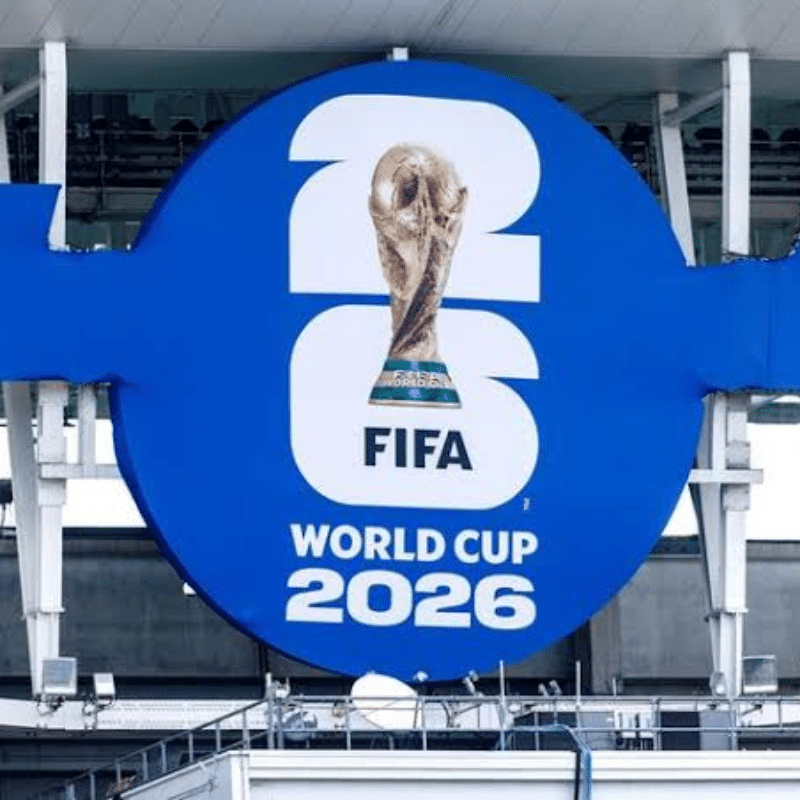
The 2026 FIFA World Cup, hosted by Canada, Mexico, and the United States, is the most prestigious association football tournament in the world, staged every four years, and this edition brings 48 countries into one shared live experience. That makes it a useful playbook not just for soccer fans, but for business leaders, brand managers, marketers, and anyone trying to build stronger loyalty through real-world brand moments. What follows breaks down the experiential marketing principles, brand activation ideas, economic ripple effects, community-building dynamics, and authenticity lessons this tournament is putting on display in real time—lessons that matter even more now, when digital content is cheap, AI can mass-produce it, and in-person experiences still create the kind of emotional connection screens usually can’t.
Here’s what marketers should take note of.

First: Let’s Establish What’s Actually Happening on the Ground
The 2026 World Cup is projected to generate over $80 billion in global economic impact, driven by 6.5 million people physically showing up across the US, Canada, and Mexico. The USA’s opening match alone drew nearly 25 million viewers across all platforms… more than the average NBA Finals game.
This happened because people came. In person. To the same place. At the same time. And had an experience that no screen could replicate. Fans from 48 countries came to watch national teams from every continent compete in the tournament, a global football competition unlike anything else.
International fans who had never set foot in the US before are posting reels about how completely different reality feels from what they expected. The food portions. The chaotic, unhinged enthusiasm of American sports fans. COSTCO.
They arrived skeptical (because of what the media has been telling them) and they’re leaving totally converted.
That’s a sports marketing story, tied to the highest level of competition in football and often the pinnacle of a professional player’s career. But really? It’s a brand story. And if you run a business and you’re watching this happen, the lesson is sitting right there on the surface.
Perception Lives in the Media. Reality Lives in the Room.
Before the World Cup, a lot of international visitors had a very locked-in picture of what the US was. That image was built entirely from headlines, algorithms, and whatever the loudest voices on the internet have been saying for a few years. You know because you’ve seen it.
No amount of counter-messaging was going to move that needle. No brand awareness strategy, no world cup advertising spend, no carefully crafted brand storytelling campaign could have done what simply BEING HERE did in a matter of days.
This happens to brands constantly, and most of them don’t even see it happening.
You can have the best website, the most consistent social presence, a content calendar your team is genuinely proud of. And then a potential client gets on a discovery call with someone who sounds distracted and totally unprepared, and every single bit of that effort evaporates. The live touchpoint became the human interaction.
The flip side is also true. A mediocre website with an incredible onboarding experience will beat a gorgeous website with a forgettable one every single time. Because perception is built in the media. Reality is built in the room.
So what happens when someone actually shows up to your brand? When they get on a call, walk into your space, come to your event? Is that experience designed with intention? Or is it just whatever happens to happen that day?
“Whatever happens to happen” is still a brand experience. Just not one you made. And when you lose control of your brand’s perception… it tends to fall to a positive or negative extreme. Be careful.
Shared Experiences Build the Kind of Community No Content Calendar Can Create
Back to the cousins-whose-parents-hate-each-other thing for a second, because I think this is the one most brands are actually missing.
You can have NOTHING in common with someone. Different language, different country, different food, different values, completely different everything. And 90 minutes in a stadium watching the same game rewires something, bringing together cultures and tactical philosophies from every continent. Suddenly you’re sharing food and learning each other’s goal celebrations and exchanging numbers at the end. A community formed. Nobody planned it.
That’s what community marketing is supposed to do. And most brands are trying to recreate it with a comment engagement strategy and a monthly newsletter.
(I say this with love. I absolutely do both of those things on the regular.)
Even brands with massive budgets get this. Adidas launched “Home of Soccer” in New York City: a physical gathering space for athletes, creators, and fans to come together around the tournament. Because even Adidas knows the room is where loyalty actually gets built.
Your version of the room doesn’t have to cost what Adidas spent. But think about any in-person touchpoints you can bring to the table… a client appreciation dinner. A workshop. A launch party. An annual event your customers look forward to all year.
These are your stadium. Are you investing in them? Or are they the first thing that disappears when Q4 gets tight, even though this kind of event transcends sport and creates unusually strong shared identity?

Authenticity Doesn’t Scale. That’s Literally the Point.
I want to be very clear: the World Cup moments going viral right now are NOT the polished brand activations with six-figure production budgets.
They’re the Colombian fan who completely lost it over his first Costco hot dog. The group of Argentinians who ended up at a rural Ohio diner and got basically adopted by the entire town for a weekend. The Scots who started randomly putting traffic cones on a bunch of statues in Boston.
Nobody planned those. Nobody COULD have.
And that’s exactly why they work.
In an AI-run world where content is infinite, the moment that clearly couldn’t have been manufactured is the one that actually cuts through. The unscripted, slightly chaotic, genuinely human stuff hits different. It always has. It just matters SO much more now.
The best brand activation ideas aren’t always the expensive ones. They’re the ones where something real happened. Where someone felt something they didn’t expect to feel. Real connection happens in those moments.
Stop designing your brand touchpoints to photograph well and start designing them to create space for something real to happen.
Some of the best experiential marketing examples in history are just stories about the time something unexpected happened and a brand showed up for it like a human would. For example, South Korea is one of only three teams from outside Europe and South America to reach the semi-finals. Be that brand. Reap the benefits.
The Brand IS the Experience for National Teams. Not the Content About the Experience.
This is the one I see brands getting wrong constantly.
Nobody fell in love with America this summer because of a tourism commercial.
The world cup sponsors who are actually winning right now aren’t the ones who bought the most airtime. They’re the ones who built something people could walk into. Visa created small business support initiatives in host communities. Home Depot built fan zones tailored to local culture in each city. Adidas built the room. These brand activation strategies worked because the experience was the POINT, not a backdrop for a content shoot. The tournament also creates formal value beyond exposure: $440 million was awarded in 2022, with $42 million going to the winners. The golden ball honors the best player, the adidas golden boot has recognized the top goalscorer since 1982, the golden glove is awarded to the best goalkeeper of the tournament, and the FIFA Fair Play Trophy goes to the fair play team.
Here’s the mistake I see on repeat: brands underfund the experience and overfund the documentation of the experience. The event is mediocre. The Instagram coverage of the event is immaculate. And every single person who attended knows the difference.
The event activations that build real brand loyalty are the ones people bring up unprompted, months later, in conversations that have nothing to do with your brand. THAT’S the experiential marketing ROI you’re actually going for. It’s the hardest metric to put in a report and the most important one to pursue.
Audit your budget split. If you’re spending more on content about your culture than on actually building the culture itself, the ratio is backwards.
Why This All Matters Even More in an AI World and for World Cup Tournaments
AI can generally write the copy. Design the graphic. Build and target the ad. Optimize the landing page. Schedule content for the next six months. The floor for digital content quality just got raised for literally everyone at the same time, even as the FIFA World Cup keeps its unmatched status at an extraordinary economic scale, with FIFA bringing in $4.8 billion from the 2014 tournament and $6.1 billion from the 2018 tournament.
Which means digital content as a competitive differentiator? Getting harder to rely on by the day.
What AI absolutely cannot do is make someone feel something in a room.
Surprise… because AI doesn’t have… feelings…
In-person is becoming what handwritten notes became after email took over. The slightly inconvenient, entirely human thing that feels meaningful precisely because the easier alternative exists. And the brands that figure out how to build a great digital brand experience AND back it with real-world presence? Those are the ones creating loyalty that survives algorithm changes, rising ad costs, and whatever the next big disruption turns out to be.
Because that loyalty isn’t built on reach. It’s built on memory.
Brand building has never been a purely digital game, especially when hosting the 2022 tournament in Qatar cost over $200 billion. The World Cup just reminded 6.5 million people, in the most Americana way possible, why that’s true. And those 6.5 million people are going home to 48 different countries and telling everyone they know about it.
That’s not a campaign success. That’s a good brand being shown off.
So What Do You Actually Do With This?
You’re probably not sponsoring the World Cup. (And if you are… hi, call us, genuinely.) The lesson doesn’t require a FIFA partnership to apply, and the fifa world cup has been held every four years since 1930, beginning with the first edition in Uruguay.
Audit your in-person touchpoints. Every sales call, client meeting, onboarding session, event, and office visit is a brand activation whether you designed it that way or not. Like World Cup qualification, which has been used since 1934 and can keep national teams pushing for over two years, it rewards consistency before the spotlight arrives. Does it feel intentional? Does it match the energy your best marketing puts out into the world? If you can’t answer that with a confident yes, that’s where to start.
Invest in the room. Whatever your brand’s version of the stadium is, stop treating it like a nice-to-have line item. It’s where your best brand moments are going to come from.
Let things be human. Design experiences that leave room for something real to happen, then get out of the way and let it.
Host nations receive automatic qualification, defending champions have had to earn their place since 2006, and a record 204 countries entered that process for the 2010 tournament. And if you’re not sure what any of that looks like for your specific brand, that’s actually… exactly what we do at Big Red Jelly.
We help businesses build brands people actually feel, not just brands that look great on a grid. The Brand, Build, Grow framework exists because we know the digital presence only works when it’s backed by something real. Something worth showing up for.
The tournament ends soon. But this lesson? It’s sticking around for a while.
(And maybe at minimum, learn “cheers” in a few extra languages. It clearly works.)
Ready to build a brand experience people actually remember? Let’s talk.
Frequently Asked Questions About Experiential Marketing and the World Cup
What is experiential marketing?
Experiential marketing is a strategy that creates direct, in-person interactions between a brand and its audience instead of relying on passive content or traditional advertising. Rather than showing people what your brand is, you put them inside it. The goal is emotional connection and lasting brand loyalty through experiences people actually participate in, like the 2026 World Cup creating genuine brand love for an entire country through millions of lived, unscripted moments. That kind of staying power is part of why the fifa world cup still resonates across world cup history, with most editions played in June and July, from 1950, when British teams first joined in Brazil, to 1982, when the tournament expanded to 24 teams.
What is brand activation?
Brand activation is any marketing effort designed to generate awareness and build emotional connection through direct consumer interaction. Unlike traditional advertising, brand activation puts the audience inside the experience rather than just showing them an ad. Think pop-up events, community gatherings, sponsorship activations… anything where someone actually feels something instead of just seeing something.
What are the benefits of experiential marketing?
Experiential marketing builds deeper brand loyalty than digital advertising alone, creates organic word-of-mouth without additional ad spend, generates shareable moments that extend your reach, and builds genuine community around a brand. People who participate in real brand experiences are significantly more likely to purchase, recommend, and stay loyal than people who only encounter you through an ad. In the same way, the tournament’s most remembered winners build lasting legacy: Brazil has five titles, West Germany/Germany has a record 13 top-four finishes, and Italy and Brazil remain the only nations to win consecutive titles, with England also part of that broader history, alongside champions and hosts such as France, Argentina, and Spain.
What are some brand activation ideas for small businesses?
Small businesses don’t need big budgets to run effective brand activations. Client appreciation events, behind-the-scenes workshops, community pop-ups, collaborative gatherings with complementary local brands, and a genuinely memorable onboarding experience all count. The key is designing a moment where someone feels something, not just sees something.
How does experiential marketing build brand loyalty?
It creates memories. When someone actively participates in a brand experience, they form an emotional connection that passive content can never replicate. That memory becomes part of how they talk about and refer your brand to others, which is the foundation of referral-driven, sustainable growth.
What are the types of experiential marketing?
The main types include live events and brand activations, product sampling campaigns, pop-up experiences, sponsored community events, immersive brand installations, workshops and educational events, and branded hospitality experiences. The 2026 World Cup is a real-time case study in all of them happening at once.