Introduction
Ready-to-drink beverages require planning and consideration. Many great ideas fail due to a lack of consideration of key manufacturing principles.
The following 7 steps will ensure you prepare for and consider the most important aspects of ready-to-drink beverage manufacturing.
01. Packaging
The type of packaging you use can significantly impact the feasibility and success of your product. Packaging can make a common product into something innovative. For example, ready-to-drink cocktails aren’t new but what if it’s in a flexible pouch like a capri sun? Or a protein shake in a glass bottle? Or an aluminum can? Consumers are often attracted to things that stand out, the type of packaging you use can make your product unique and eye-catching.
Real-world examples: Redbull and Pepsi have products in different types of packaging each one highlighting their brand identity.
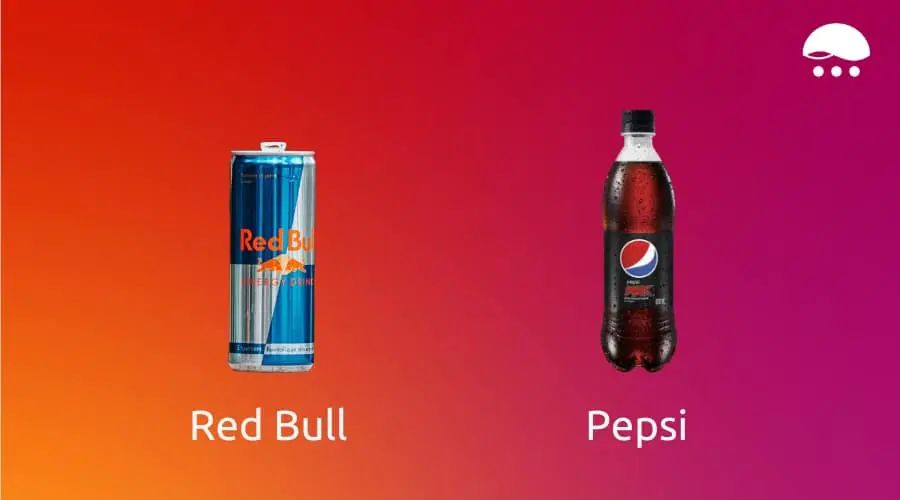
Packaging also impacts everything at the manufacturing level as well. Cans, glass bottles, plastic bottles, aseptic packaging, and flexible containers all require different types of equipment, processing, and minimum order quantities.
Whatever package you go with, ensure that resonates with your brand feel and messaging.
02. Processing
Co-packers and Co-manufacturers have a wide range of capabilities when it comes to processing. So, you need to understand what kind of processing your product needs before reaching out to them because that’s one of the first questions they’ll ask you. Do you have a Process Authority Letter? What kind of processing does your product require? Your answers to this determines whether or not they can produce your drink.
Ingredients and PH levels are key in determining what kind of processing your product will require. Most manufacturers like working with beverages containing a PH of 4.6 or lower. A PH above this requires more specialized processing which is often something only larger companies offer.
03. Co-packing vs Co-manufacturing
Co-packers and Co-manufacturers are terms usually used interchangeably. A company that is truly just a co-packer might not have the capability of blending your ingredients. You’d need to provide them with bulk-finished liquid from a manufacturer that they would then fill into your bottles or cans.
It’s always advantageous to find a partner who can do both the blending or compounding as well as the filling and packaging. Co-manufacturers are contacted every week by several ingredient suppliers looking to win their business. This makes Co-manufacturers a great source for referrals to ingredient suppliers. Odds are they know someone who can supply whatever ingredients or packaging you need; pick a partner, and involve them early on in the process.
04. Formulation
Formulation is key, and the first step in your ready-to-drink journey. This is where you should spend your time finding the right formulator. Find someone who has experience with the type of ingredients you want to work with, the type of processing you want to do, and the type of packaging you want to use.

Some formulators will do flavor work and some won’t. Typically, working with a flavor house will yield better and faster results on the flavoring you want to use. However, you may have to fight some large minimum order quantities especially if it’s a custom flavor. If you can find a co-manufacturer who ALSO does formulation that is often ideal because having the person who formulated the product be the one who also manufactures the product simplifies a lot of the process.
05. Lead Times
I can’t stress enough how important it is to be conscious of lead times during this process. I’ve met many brands who were excited to launch their product or had committed to launching a product shortly after formulation was completed and had to scramble to fix expectations.
The more unique your drink is, the more likely you’re using unique ingredients. The more unique the ingredient, the longer the lead time can be. The biggest offenders though are usually the flavorings and the copackers themselves.
Many co-packers are booked out months in advance so depending on how many units you’re looking to produce they may have a small opening to squeeze you in or you may be 2 – 3 months out before they can book you. It’s common for flavorings to have a 4 – 6 week lead time, sometimes even longer. Start your procurement and conversations with suppliers and copackers sooner rather than later.
06. Minimums
There’s always a degree of sticker shock when it comes to your first production run. It could be the minimum order quantity (MOQ) from the manufacturer is more product than you’ll sell in a year. Flavorings can also tend to have high MOQ’s and with generally low usage rates you can end up having to buy a year or more worth of inventory in ingredients just to do your first production run. It’s always important to ask if suppliers or manufacturers can offer pilot runs to help you get started without having to buy too much inventory.

You’ll also encounter different MOQ’s in types of packaging, for example, if you want to do a printed aluminum can for an energy drink like Monster then you’ll be looking at 202,000 cans as the MOQ. So it might make more sense to do a sleeved can or digitally printed can which tend to have much lower quantities.
07. Make a Decision
There are so many things to consider during this process it can easily lead to analysis paralysis. I’ve seen many great ideas never leave the formulation stage because they couldn’t get the flavor “perfect”.
I’ve seen just as many great ideas pull the trigger to go into production. By the time they’re on their 3rd or 4th manufacturing run, they’re also on their 3rd or 4th iteration of the flavor, packaging, or ingredient list.
Nothing happens until you sell something. At some point, you have to decide to move forward so you can get the product into customers’ hands. You can then use their feedback to make adjustments.
Conclusion: Make Your Plan a Reality.
Following these 7 steps will prepare you adequately to begin your venture into ready-to-drink beverage manufacturing. A good next step is to create a conscious marketing plan. Acting on your plan is essential to getting the result of customers purchasing your product. For help in creating and implementing your marketing plans, get in touch with our team!