April 1st brings out the prankster in all of us, and brands are no exception. The allure of an April Fools’ Day campaign is undeniable – a chance to showcase creativity, connect with audiences in a lighthearted way, and potentially go viral. But before diving headfirst into prankster mode, it’s important to consider: is an April Fools’ campaign actually helpful for your brand?
Let’s take a look at some well-known campaigns from Oreo, Pringles, Tinder, and Duolingo to see how they fared.
Oreo’s
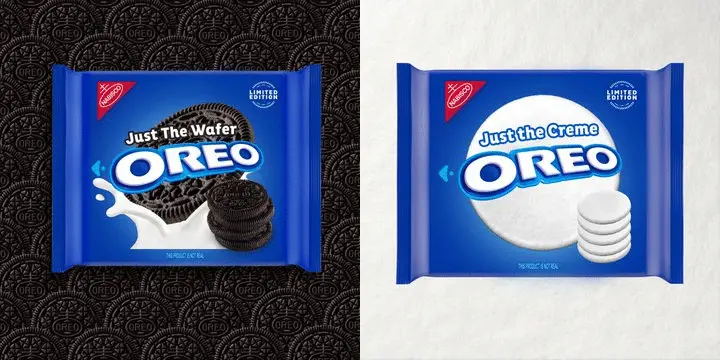
Oreo’s “Just the Wafer” prank was a marketing win. It created a stir on social media, capitalizing on the playful debate about separating the cookie and creme. Even though it wasn’t real, it kept Oreo in the spotlight and reminded everyone of their classic treat. The lighthearted prank generated positive feelings and showcased Oreo’s sense of humor. Plus, it encouraged user engagement without any real product development costs. There was a slight risk of disappointing some who might have genuinely wanted the wafer-only option, but overall, the positive aspects outweighed the potential downsides. It was a clever way for Oreo to generate buzz and positive brand association.
Pringles & Olipop

Olipop and Pringles’ co-created “Sour Cream & Onion” soda campaign for April Fools’ Day was a gamble that could go either way. The idea of a savory chip-flavored soda is certainly unique, grabbing attention and putting both brands in the spotlight. The collaboration between a health-focused soda and a popular chip brand injects humor and encourages engagement. Plus, social media promotion keeps costs low while potentially generating high buzz. However, the campaign could backfire. The savory soda concept might clash with Olipop’s health image, and some might find it gross. Additionally, the impact might be fleeting, with no lasting brand benefit. Ultimately, the success depends on audience reception. If seen as playful and unexpected, it’s a win. If perceived as strange or off-putting, it could be a miss.
Tinder’s Hiring?

Tinder’s April Fools’ prank with a “VP of Ghost Hunting” job opening was a creative way to tackle a common user woe: ghosting. The prank resonated with users who’ve been left on read, sparking humor and online discussions. It reminded users of Tinder’s presence and showcased their lighthearted attitude towards a frustrating experience. Plus, creating a fake job posting kept costs low while generating high buzz. However, the campaign might not resonate with everyone, potentially excluding users who haven’t been ghosted. It also doesn’t offer a real solution, potentially leaving some users wanting more. Ultimately, the prank’s success hinges on audience perception. It could be a win for users who find it relatable, but a miss for those who find it irrelevant or lacking substance.
Duolingo

Duolingo’s “Duolingo on Ice” campaign, picturing their mascot Duo the owl starring in an ice show, was a playful attempt to boost brand awareness and user engagement. The concept was undeniably unique, grabbing attention and sparking social media buzz. This quirky campaign highlighted Duolingo’s fun personality, potentially appealing to a younger audience and showcasing their willingness to experiment with marketing. The humor of the absurd ice show theme could have led to social media shares and user engagement. By referencing a popular format like Disney on Ice, Duolingo made the campaign more relatable. However, the connection between the ice show and language learning might be weak, potentially limiting its effectiveness. While the prank could attract curious new users, it might not directly translate into increased language learning. Additionally, the impact might be short-lived, with no lasting effect on user retention.
So, do April Fools’ Day campaigns benefit brands? It depends. Here are some key factors to consider:
- Brand Alignment: Does the prank connect with your brand identity and core message?
- Target Audience: Will your target audience find it funny and relevant?
- Clarity: Is it clear it’s a prank to avoid confusing customers?
- Execution: Is the prank creative, well-executed, and avoids being offensive?
The Final Word
April Fools’ Day can be a great opportunity for brands to connect with audiences in a fun way. But remember, a successful campaign requires careful planning and consideration. If you’re unsure, it might be best to err on the side of caution. There are plenty of other ways to showcase your brand’s personality throughout the year.
So, the next time April 1st rolls around, remember: a well-executed prank can be a brand win, but a misplaced one can land with a thud. Choose wisely, and happy pranking (or not)!
Written by Christina Romano