Who is this for?
- Small to mid-sized business owners managing their own social media
- Marketing teams looking to boost content performance without relying on viral trends
- Social media managers aiming to build brand awareness, engagement, and conversions
What we’re hoping to offer:
- A breakdown of the three essential content types every business should be posting: Hero, Hub, and Help content
- Practical guidance on when to use educational vs. entertaining content
- Real-world examples for aligning content strategy with audience intent and purchasing behavior
- Tips on repurposing and maximizing content across platforms like TikTok, Instagram, and Meta
Key Takeaways:
- Client-first content converts better than content built solely for algorithms
- Hero content builds brand awareness and should be high-quality and well-promoted
- Hub content builds audience relationships through consistent, binge-worthy series
- Help content boosts SEO and trust by answering audience-specific questions
- A balanced mix of all three, Hero, Hub, and Help, is the foundation of a strong social media strategy
Brand awareness is one of those marketing terms everyone talks about—but not everyone truly understands or prioritizes. Yet, it’s often the difference between a brand that struggles to gain traction and one that consistently attracts, converts, and retains customers.
Before someone can trust you, click your ad, or book a call, they have to know you exist. That’s where brand awareness comes in.
In this guide, we’ll break down what brand awareness really means, why it matters so much for growth, and how businesses can build it intentionally and sustainably.
What Is Brand Awareness?
Brand awareness refers to how familiar your target audience is with your brand: your name, logo, messaging, and what you offer. Brand awareness consists of both brand recognition and brand recall, and encompasses various levels of familiarity with a particular brand. It’s the first stage of the buyer’s journey and sets the foundation for every marketing and sales effort that follows.
When brand awareness is strong, people recognize your brand, understand what you do, and remember you when they’re ready to make a decision. Brand awareness encompasses key brand elements such as your logo, visual identity, and brand personality, all of which contribute to higher brand awareness levels and help consumers recall and recognize your particular brand. When it’s weak, even the best products and services can get overlooked.
The Core Components of Brand Awareness
Brand awareness is made up of several key elements that work together. Successful brand awareness consists of different levels, ranging from basic brand recognition and recall to deeper brand familiarity and even strong brand preference.
Higher brand awareness levels often lead to greater brand familiarity and brand preference among consumers.
Familiarity
Familiarity, often measured as brand familiarity, is simply knowing that your brand exists and what it offers. If someone has heard of your company before and has a basic understanding of your services, brand familiarity is at work.
Increasing brand familiarity can positively influence brand perception, leading to improved reputation and greater customer loyalty.
Recognition
Recognition is the ability to identify your brand when someone sees your logo, name, colors, or messaging. Recognition can be measured through aided brand recall and aided brand awareness, where consumers identify a brand when given visual cues such as logos or packaging.
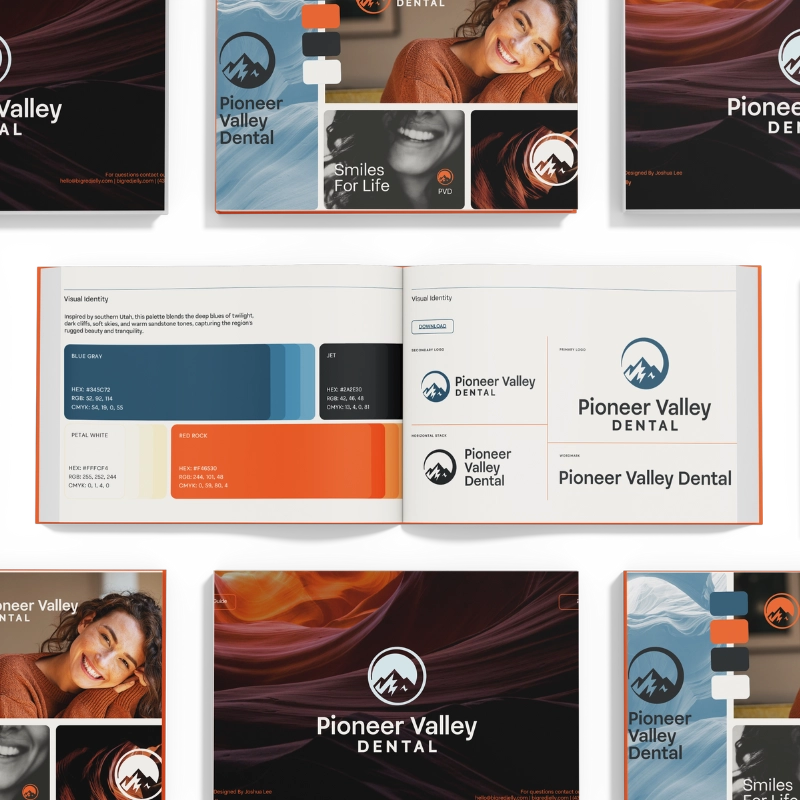
Think about how quickly you recognize certain brands without reading a single word—that’s recognition. A cohesive visual identity, including consistent use of logo, name, and colors, plays a crucial role in supporting brand recognition.
Recall (Top-of-Mind Awareness)
Recall is the strongest form of brand awareness. Recall is often measured as unaided brand recall or unaided brand awareness, where consumers remember a brand without any prompts. It happens when someone thinks of your brand without any prompts. For example, when a person thinks about website design or digital marketing and your brand comes to mind first.
Why Brand Awareness Is So Important
Brand awareness is the foundation of trust, credibility, and growth. People naturally gravitate toward brands they recognize because familiarity feels safer and more reliable. Brand awareness increases consumer trust, perceived quality, and brand loyalty, which are key drivers of brand equity and competitive advantage.
Without brand awareness:
- Ads are more expensive and convert less
- Sales cycles take longer
- Competitors with stronger brands win the attention
With strong brand awareness:
- Marketing performs better across every channel
- Prospects are warmer before the first interaction
- Trust is built before the sales conversation even begins
Brand awareness helps businesses by supporting long-term growth and strengthening their market positioning.
Brand Awareness and the Buyer’s Journey
Brand awareness sits at the very top of the buyer’s journey. Before someone can consider your business or choose your solution, they need to recognize you as an option. Brand awareness shapes consumer behavior by keeping your brand top of mind during purchase decisions, increasing the likelihood that consumers will choose your product or service.
When awareness is strong, your brand stays in the buyer’s “consideration set.” When it’s weak, you’re invisible. No matter how good your offer is.
This is why businesses that invest early in brand awareness often see better long-term results, stronger loyalty, and more consistent growth. Strong brand awareness also attracts new customers by ensuring your brand is considered early in the decision process.
Brand Awareness vs. Brand Recognition vs. Brand Recall
These terms are often used interchangeably, but they serve different purposes.
- Brand awareness is the overall level of familiarity with your brand
- Brand recognition is identifying your brand when seen
- Brand recall is remembering your brand without prompts
Brand awareness encompasses both recognition and recall, and contributes to overall brand knowledge compared to other brands in the market.
Successful brands don’t choose one of these concepts, they build all three together through consistent branding and messaging.
How to Build Brand Awareness Effectively
Building brand awareness isn’t about chasing trends or going viral once. It’s about showing up consistently with a clear message and strong identity. A comprehensive brand awareness strategy is essential, using effective brand awareness strategies and specific awareness strategies to create brand awareness, boost brand awareness, and focus on increasing awareness through proven brand awareness tactics.
Create a Strong, Consistent Brand Identity
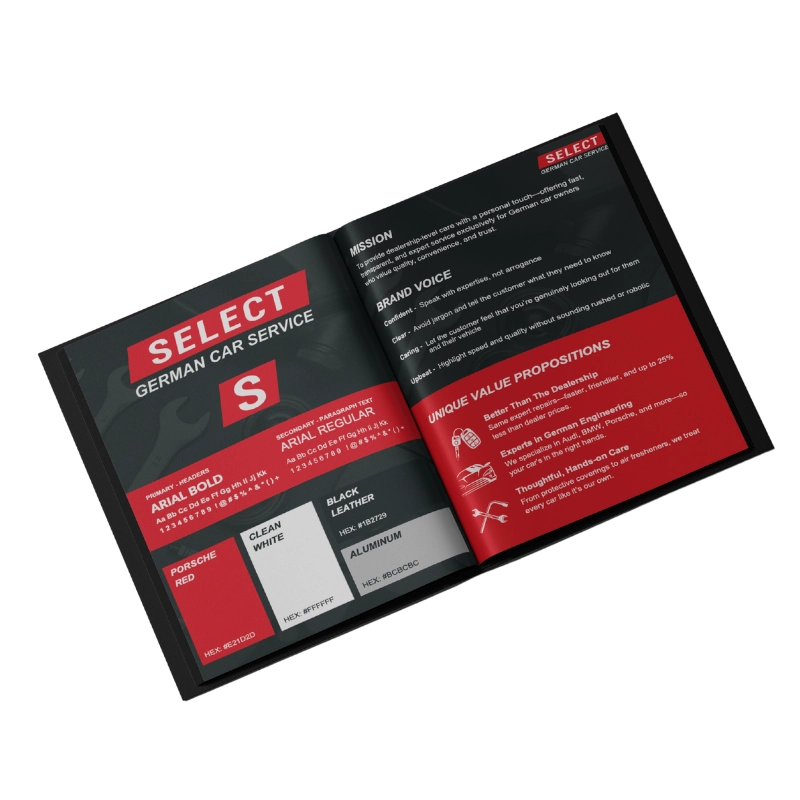
Your brand identity is built from key brand elements such as your logo, visual identity, and brand personality, along with your visuals, messaging, tone, and positioning. Consistency across your website, social media, ads, and content helps people recognize and remember you faster.
Showcasing your brand’s expertise through consistent visuals and messaging strengthens your overall identity.
Use Content Marketing to Build Trust
Educational blogs, videos, guides, and thought leadership content position your brand as a trusted authority. When you consistently provide value, people associate your brand with expertise and credibility.
Encouraging user-generated content, such as customer reviews and social media posts, fosters authentic engagement and amplifies your brand’s reach. Additionally, analyzing valuable insights from your content performance and media coverage can inform your content strategy and help increase brand authority.
Leverage Social Media for Visibility and Engagement
Social media plays a major role in brand awareness when it’s used intentionally. Showing up consistently, engaging with your audience, and sharing insights (not just promotions) helps build familiarity and trust over time.
Creating shareable social media posts on popular social media sites like Facebook, Instagram, and Twitter can help you reach potential customers and increase your brand’s visibility.
Expand Reach Through Partnerships and Community
Collaborations, partnerships, and community involvement introduce your brand to new audiences while reinforcing credibility. These relationships often accelerate awareness faster than standalone efforts.
Partnerships can be amplified through coordinated brand awareness campaigns, marketing campaigns, and even intensive advertising campaigns to maximize reach and impact.
How to Measure Brand Awareness
Brand awareness may be top-of-funnel, but it’s still measurable. The key is knowing which signals to track. Measuring brand health involves tracking a range of brand awareness metrics, many of which can be monitored using tools like Google Analytics to assess website engagement, search volume, and user behavior.
Understanding customer based brand equity is also essential for interpreting the impact of brand awareness on overall brand value.
Key Brand Awareness Metrics
- Branded search volume and website traffic
- Social media mentions, reach, and engagement
- Survey data measuring brand recall and recognition
- Repeat customers and referrals
- Market share trends over time
Tracking these metrics together gives a clearer picture of how visible and memorable your brand truly is. For instance, analyzing brand awareness levels through these metrics can reveal actionable insights. Brand awareness examples include companies that increased their branded search volume and social media engagement, leading to higher sales and expanded market reach.
Common Brand Awareness Mistakes to Avoid
Many businesses struggle with brand awareness because they:
- Inconsistently present their brand across platforms
- Focus only on short-term conversions
- Chase trends without a clear strategy
- Measure success using only sales metrics
Brand awareness requires patience, clarity, and alignment across brand, website, and marketing efforts.
How Big Red Jelly Helps Brands Build Awareness That Lasts
At Big Red Jelly, brand awareness isn’t treated as a standalone tactic—it’s built through alignment.
By connecting brand strategy, high-performing websites, and growth-focused marketing, Big Red Jelly helps businesses create recognizable, trustworthy brands that are built to scale. The goal isn’t just visibility—it’s clarity, consistency, and long-term growth.
Brand Awareness Is an Investment, Not an Expense
Brand awareness doesn’t deliver instant results—but it delivers lasting ones. When businesses invest in building awareness the right way, every future marketing effort becomes more effective.
If your brand isn’t being recognized, remembered, or trusted yet, brand awareness is where growth truly begins.
Frequently Asked Questions About “Why is WordPress So Slow?”
What is brand awareness?
Brand awareness refers to how familiar people are with your brand: its name, logo, messaging, and what you offer. It’s the foundation of the buyer’s journey and determines whether your business is recognized, remembered, and trusted when customers are ready to buy.
Why is brand awareness important for businesses?
Brand awareness is important because people are more likely to choose brands they recognize and trust. Without awareness, even the best products or services struggle to convert. Strong brand awareness builds credibility, improves marketing performance, and supports long-term business growth.
How does brand awareness impact sales?
Brand awareness influences sales by keeping your business top-of-mind during purchasing decisions. When customers recognize your brand, they’re more likely to click your ads, visit your website, engage with your content, and ultimately choose you over competitors.
What’s the difference between brand awareness and brand recognition?
Brand awareness is the overall familiarity someone has with your brand. Brand recognition is more specific. It’s the ability to identify your brand when they see your logo, name, or visuals. Recognition is a key part of building broader brand awareness.
How long does it take to build brand awareness?
Building brand awareness is a long-term investment, not an overnight win. While some visibility can happen quickly through paid campaigns, meaningful awareness typically grows over months through consistent branding, content, social media, and strategic marketing efforts.
What are the best ways to increase brand awareness?
Some of the most effective ways to build brand awareness include:
- Consistent branding across your website, social media, and marketing
- Content marketing that educates and builds trust
- Active social media engagement
- SEO strategies that increase visibility in search
- Strategic partnerships and community involvement
At Big Red Jelly, brand awareness is built by aligning brand strategy, website experience, and marketing execution. Not by treating them as separate efforts.
How do you measure brand awareness?
Brand awareness can be measured using both qualitative and quantitative data, including:
- Branded search traffic and search volume
- Website traffic trends
- Social media mentions, reach, and engagement
- Surveys measuring brand recall and recognition
- Repeat customers and customer referrals
While it’s top-of-funnel, brand awareness still provides measurable signals of growth.
Is brand awareness more important than lead generation?
Brand awareness and lead generation work best together. Awareness builds trust and familiarity, making lead generation more effective over time. Without brand awareness, lead generation often costs more and converts less efficiently.
Can small businesses benefit from brand awareness?
Absolutely. Brand awareness is especially important for small and growing businesses because it helps them stand out in crowded markets. A clear brand paired with a strong online presence allows smaller companies to compete with larger, more established brands.
How does Big Red Jelly help businesses build brand awareness?
Big Red Jelly helps businesses build brand awareness through a proven process that connects brand strategy, high-performing websites, and growth-focused marketing. By creating clear positioning, consistent messaging, and scalable digital systems, Big Red Jelly helps brands become recognizable, trusted, and ready to grow.