Creating a brand is one thing, but bringing it to life is a completely different challenge. A brand rollout strategy is what takes your idea from paper to the public eye. This launch is meant to be exciting and intentional. After months of planning, countless options, and endless designing, it’s finally time to reveal it all. Before starting a rollout, it’s crucial to evaluate your existing brand to understand your current assets, identity, and market perception.
At Big Red Jelly, we help businesses not only build strong brands but also focus on launching them successfully in a way that resonates with their target audience and beyond. A good brand launch strategy is built on the foundation that your new identity is aligned with your purpose. A refreshed brand can better align with evolving company goals and market realities, ensuring your messaging and visual identity remain relevant and engaging. In this post, we’ll walk through what a brand rollout strategy is, why it matters, and how to create one that sets your brand up for long-term success.
Conducting a brand audit is a foundational step in the rollout process, helping to identify gaps and guide your strategy for a consistent and effective brand application across all touchpoints.
What Is a Brand Rollout Plan and Why Does it Matter?
A brand rollout strategy is the process of introducing or reintroducing your brand to the public. Businesses adapt and change over time, and without innovation, it’s hard to stay relevant. A brand implementation strategy helps you do just that. It allows a business to show off its new and improved version and keeps your audience on their toes, eager to interact or see what’s next.
It’s not just about a logo reveal or a new color palette. A rollout is about revealing the new personality of the brand. The rebrand process is a comprehensive, multi-step journey that involves careful planning and collaboration between marketing teams and design agencies to ensure a successful outcome. It can include a new stance, position, core values, vision statement, mission statement, direction, or purpose.
Think of it as the bridge between brand creation and brand activation. It connects the visuals, messaging, and strategy so the brand feels the same everywhere. Research shows that consistent branding can increase revenue by more than 23%, proving that alignment isn’t just about looks– it shows in the results. (Forbes, Lucidpress Brand Consistency Report). When every touchpoint aligns, it builds trust and recognition. A new vision, informed by market research and audience insights, is often central to a successful rollout and helps modernize and reposition the company effectively.
At Big Red Jelly, we’ve seen firsthand how much of an impact a brand rollout strategy can make. A clear rollout strategy helps avoid confusion, creates excitement, and keeps your audience engaged driving conversions, and sales. Launching a new brand with assurance builds confidence from your customers as well as your internal team.
A rebrand rollout plan is equally powerful for companies that are evolving or changing direction because it helps communicate those updates clearly. Brands are much bigger than what you walk away with at the end of a project, they’re a story of evolution and a sense of excitement. A strong rollout ensures that change feels intentional, not accidental or forced, and that the rollout aligns with the company’s mission and evolving purpose. You only get one chance at a rollout. Once it’s revealed you can’t go back, so make it worth it.
The Key Parts of a Successful Brand Rollout
Start With Internal Alignment
Know Your Audience & Market
Stay Consistent in Message & Visuals
How to Roll Out a Brand
Step 1: Set Clear Goals and a Realistic Timeline
Start by deciding what success looks like for your rollout. What’s your goal? Brand awareness, engagement, conversions? Once the goal is clear, build a detailed timeline that includes an internal rollout, teaser content, and finally the public reveal. Develop a strategic plan to guide the rollout process and ensure consistency across all touchpoints. Lead with a story. It’s not a logo exercise.
A company should start preparing for their brand implementation strategy from the very beginning stages. Conducting market research at this stage helps inform your goals and approach, ensuring your strategy resonates with your target audience. You can’t wait until the backend to think about the brand rollout strategy, that’s why it’s called a rollout. Planning ahead, and involving key stakeholders early in the process to ensure alignment, keeps everyone on track and reduces stress once launch day arrives.
Step 2: Build a Brand Identity Implementation Strategy
A brand implementation strategy is where planning meets execution. List out everything that needs to be updated. This can include changing your website, logo files, signage, marketing materials, social media platforms, online listings, brand assets, and brand elements. As part of the update process, review your existing assets to evaluate which materials need to be improved, replaced, or redeveloped. Assign roles and deadlines so nothing gets overlooked.
Here at Big Red Jelly we help businesses through this step by using our award-winning Proven Process and setting strict deadlines. The Brand, Build, and Grow teams work closely together, with internal teams playing a key role in ensuring a smooth implementation and maintaining brand consistency. We take detailed notes, track every message and action item, and keep everything organized so we can make sure your brand identity launch is a hit. That way, nothing falls through the cracks.
Step 3: Create Buzz (Especially with Your Internal Team) Before the Launch
Start generating buzz before the official rollout. Post teasers like new visuals or sharing behind-the-scenes updates on social media. Launch a targeted social media campaign to build anticipation and reach your audience across multiple channels. Create a countdown or a “coming soon” campaign. Film and share a video that excites your audience and pushes the new idea without fully revealing it.
Movies and TV shows are great examples of how to build hype well before the premiere. It gets people talking and builds excitement.
Brands like SKIMS, Dairy Boy, and HydroJug are masters at creating buzz before a launch by treating each release like an exclusive event. They use social media teasers, influencer partnerships—including industry influencers who can generate buzz and credibility—and countdown campaigns to build anticipation and make their audiences feel like insiders waiting for something special.
SKIMS often teases new collections with sleek, minimalist visuals and celebrity endorsements that go viral before the drop even happens. Dairy Boy leans into its cozy, aesthetic lifestyle brand identity, using cinematic storytelling and limited product quantities to spark a sense of urgency and community. HydroJug takes a similar approach by previewing new colors, collaborations, and accessories through influencer unboxings, leveraging brand ambassadors to promote the launch and educate their audiences, which creates excitement around restocks or new products.
All three brands, though not rebranding, have mastered the psychology of hype, turning simple product launches into moments that drive massive engagement and awareness.
Step 4: Launch Your Brand to the Public
The external launch is the public phase of your rebranding rollout, where you introduce your new branding to the broader market and make a memorable impression. This is your opportunity to showcase your new brand identity, brand positioning, and visual identity to reach new audiences and future customers.
It’s time to launch! Launching a new brand or a rebrand is your chance to introduce a fresh identity to the market and shape how people perceive it. This moment sets the tone for your brand’s story, values, and positioning for the future.
Before the external launch, ensure you have completed an internal launch to secure buy in from your internal teams and align everyone so the team is on the same page. This internal phase is crucial for building brand advocates who will support and promote the new brand both internally and externally.
Consider issuing a press release to announce the rebrand to media outlets and generate buzz. Hosting a launch event, such as a webinar or in-person gathering, can further engage stakeholders and create excitement around your new branding. You may also opt for a soft launch, allowing time for testing and adjustments before the full external launch.
Be sure to update all platforms at once, including your website, social media, and email marketing, to reflect your new logo and visual identity across all brand touchpoints. Update all rebranded materials and remove any old branding or old brand assets to avoid confusion and maintain a cohesive presence. Use your brand guidelines, new brand guidelines, and brand style guide to ensure consistency in every detail.
Share your brand story clearly so your audience understands the reason behind the change, and make sure your brand messaging and key messages are clear and consistent across all channels. Involve external partners, such as agencies or design firms, to support the rebranding rollout and ensure a smooth transition.
A strong marketing strategy and coordinated marketing campaigns will help amplify your launch and connect with your new audience, new audiences, and future customers. By sharing your story and empowering employees and stakeholders to become brand advocates, you’ll build lasting recognition and trust in your new brand identity.
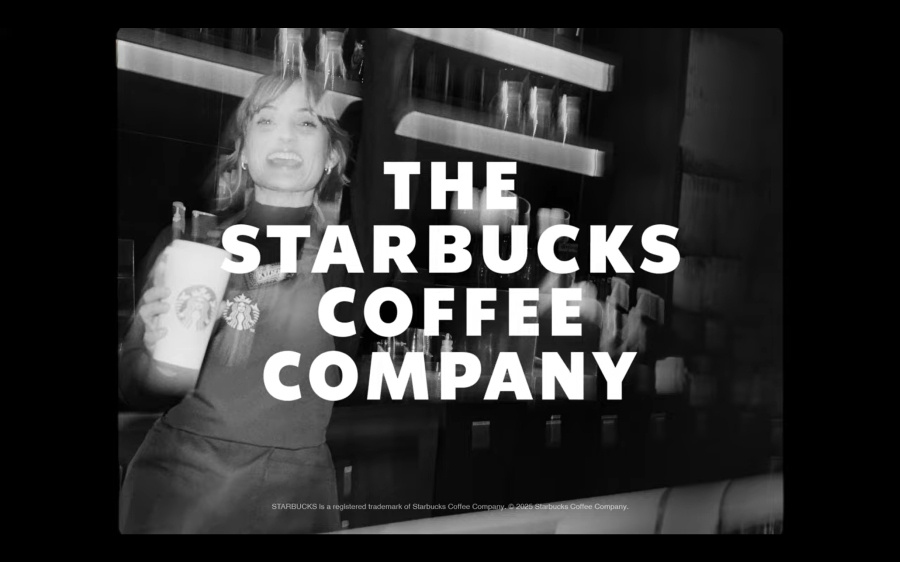
Here’s a great example from Starbucks’ “Hello Again” campaign.
Step 5: Review and Optimize for Brand Consistency After Launch
After the rollout, the work doesn’t stop. Monitor how the brand is performing. Analyze metrics like engagement, traffic, conversions, sales, customer feedback, and social media engagement, which is a key indicator of a successful rebrand. Continue to refine where needed, making small adjustments along the way. Maintaining brand loyalty is crucial—focus on retaining loyal customers and existing customers during and after the rollout to ensure the new brand identity resonates and builds stronger connections.
Kim Kardashian’s brand SKIMS was initially called “Kimono” but quickly received backlash for cultural appropriation after launch. The team quickly rebranded to SKIMS, now a multibillion-dollar business with 2024 net sales alone estimated to be around $1 billion. Listening to your audience, adapting to a rapidly changing market, and staying consistent with what works is how a brand identity launch turns into a long-term success story.
Common Mistakes That Can Hurt a Brand Rollout Strategy
Even with a solid plan some rollouts fall short. Following a structured rebranding process is crucial to ensure every phase is executed smoothly. Here are some common mistakes to avoid:
- Launching without preparing your internal team
- Forgetting to update all old logos or materials
- Failing to communicate the reason behind your rebrand
- Neglecting to follow up after launch with ongoing content
- Failing to create a comprehensive brand rollout plan to guide communication with stakeholders and ensure a successful launch
At Big Red Jelly, we often see businesses rush to reveal a new brand without a proper strategy. The complexity of a rebranding project requires careful planning and attention to detail at every stage. Taking time to plan and align every detail will always pay off.
Final Thoughts: From Rollout to Long-Term Success
A brand rollout strategy is just the beginning. The real test comes after the launch, when consistency and follow-through determine how well your brand performs over time.
After the initial excitement fades, the work doesn’t stop. Keep your visuals, messaging, and team aligned. Make sure every new campaign or product update reflects your identity and values. As your business evolves, update new brand elements to maintain relevance and consistency. Brands that stay consistent are the ones that build trust and loyalty with their audience.
At Big Red Jelly, we believe that a strong brand rollout sets the foundation, but long-term success comes from staying intentional. Keep tracking your performance, gather feedback, and refine your approach as your business evolves.
A successful brand rollout strategy isn’t just a moment, it’s a movement.