Summary:
Who this article is for:
Business owners, founders, and marketing managers wondering whether it’s time to invest in a website redesign, or whether targeted improvements will do
Key takeaways:
- Most small and mid-sized businesses should consider a substantial website redesign every 2–3 years, but only when performance data and business needs justify it
- Warning signs like dropping conversion rates, poor mobile experience, and difficulty editing content matter far more than a fixed schedule
- Ongoing improvements to speed, content, and UX can extend a site’s life to 4–5+ years without a full rebuild
- Platforms like WordPress, Shopify, and Wix make incremental improvements and partial redesigns more cost-effective
- A well-planned redesign protects SEO, improves user engagement, and aligns your website with current branding and business goals
What’s inside:
- Redesign vs. refresh: what’s the difference?
- 5 data-driven signs your website needs a redesign
- Typical website lifespan by business type
- How to extend your site’s life without a full rebuild
- When a full redesign is the better investment
- A practical checklist: is it time?
Based on current industry practice in 2026, most businesses revisit their website in a major way every 2–3 years, with lighter refreshes happening annually. That’s the straightforward answer. But here’s the thing: that timeline isn’t a rule, it’s just a starting point.
Some high-growth industries like SaaS and eCommerce need redesigns closer to every 18–24 months. Slower-changing sectors (construction, legal, local services) can comfortably wait 3–4 years with proper maintenance. The smart move is monitoring metrics like bounce rates, conversion rates, mobile engagement, and page speed rather than following a strict calendar. Your data will tell you when it’s time.
Website Redesign vs. Website Refresh: What’s the Difference?
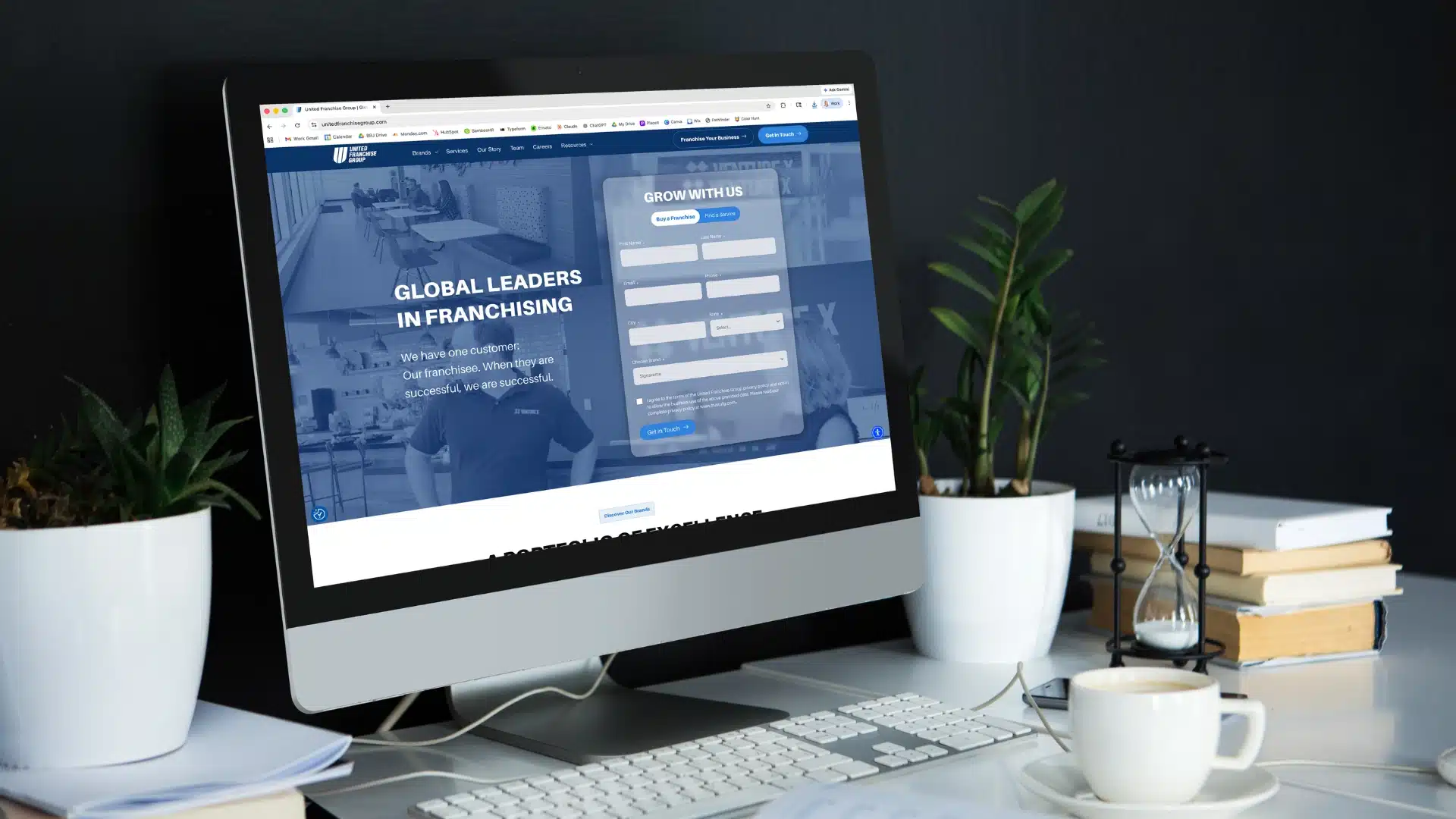
A full redesign means rethinking more than visuals, including your site’s information architecture, structure, design system, templates, and often the platform itself. Think migrating from a dated custom CMS to WordPress, Shopify, or Wix. It’s a ground-up project.
A web design refresh is lighter: updating visuals and making minor updates to your homepage layout, typography, color palette, navigation labels, and core page templates while keeping the underlying platform.
| Full Redesign | Refresh |
|---|---|
| New platform or CMS migration | Same platform, updated visuals |
| Complete UX overhaul | Homepage and key pages updated |
| New brand strategy implementation | Typography and imagery modernized |
| 8–16 weeks typical timeline | 2–4 weeks typical timeline |
Many sites don’t need a full tear-down. A smart combination of refresh fixes and optimization can extend lifespan and lower costs significantly, while redesign fixes are for deeper structural issues. Our web design and development team helps you make that call strategically, not emotionally.
5 Data-Driven Signs Your Website Needs a Redesign
Forget arbitrary timelines. Your analytics will determine when action is needed. Here are the five universal red flags to watch for.
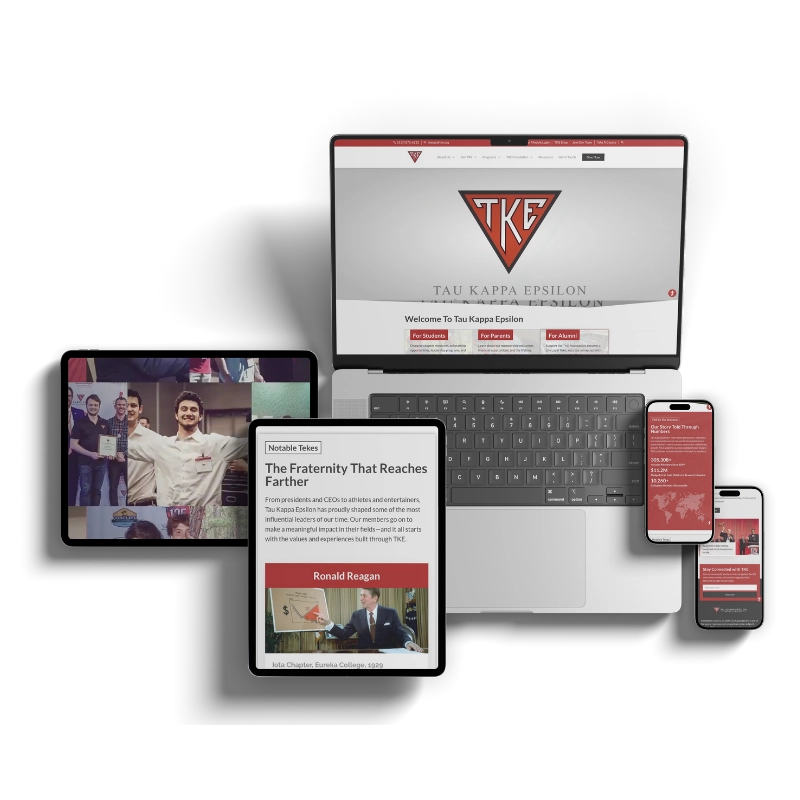
Sign 1: Conversions Are Declining Over 3–6 Months
Conversions mean form fills, demo bookings, purchases, quote requests… whatever action you want visitors to take. A sustained drop from 3% to 1.5% over six months signals trouble far more than a single bad week. Common causes include confusing page flow, weak calls-to-action, or design elements that no longer match user expectations. A/B test key pages first; if fixes don’t move the needle and declines persist, a broader redesign is likely needed because the site is failing to convert potential customers.
Sign 2: Bounce Rates and Engagement Are Off the Chart
A bounce rate above 70% on key landing pages is concerning, especially since average bounce rates across industries typically range from 41% to 51% — it signals visitors aren’t finding what they need. This connects to poor content relevance, jarring design, slow loading times, outdated design, or layouts not optimized for 2026 user behavior. If users don’t scroll, don’t click CTAs, and exit within seconds, you’re dealing with a poor user experience that requires more than cosmetic fixes. Google Analytics, heatmaps, and user feedback will show you where users drop off and help explain why they leave.
Sign 3: Mobile Experience Is Clearly Lagging
Over 61.5% of global internet traffic comes from mobile devices in 2025. Specific issues for mobile users include tiny tap targets, text requiring zooming, unoptimized images, and layouts that break across mobile devices. Use Google’s mobile-friendly test and Core Web Vitals (CLS, LCP, FID) to assess where you stand. Modern themes on WordPress, Shopify, and Wix are typically mobile-first, so a redesign is your opportunity to adopt them and better meet current expectations on mobile.
Sign 4: Your Design and Messaging No Longer Match Your Brand
Even if performance metrics are acceptable, poor first impressions or a major gap between your current visual identity and your website can still justify a redesign. If you’ve updated your logo, refined your color palette, shifted your brand voice, and started targeting a different audience, but your site still reflects 2019 positioning… it’s time, especially if keeping the site up to date will help you stay relevant with prospective customers. Consistent branding across your site and marketing materials builds trust with your target audience.

Sign 5: The Site Is Hard to Update or Technically Outdated
Real-world scenarios: needing a web designer for every text change, broken links appearing constantly, outdated page builders, difficulty launching new features, or being stuck on custom code from years ago. When adding landing pages, forms, or popups feels painful because of site structure limitations, moving to a modern stack makes sense. Security concerns from outdated themes, PHP versions, and plugins add additional pressure. One business cut content update time from days to minutes after migrating to a modern CMS, and hard-to-maintain systems can also slow response to new business opportunities.
Typical Website Lifespan by Business Type
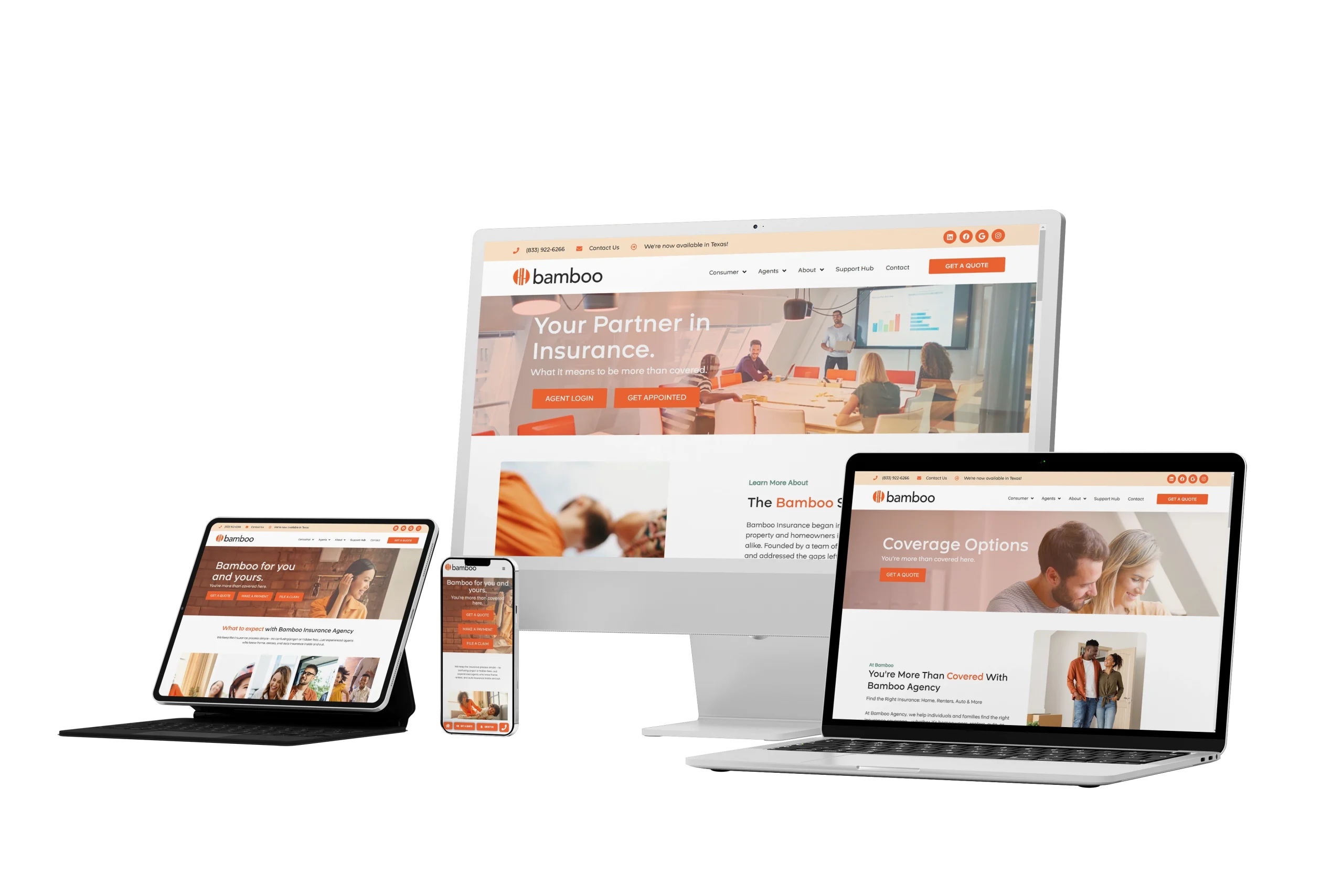
Across industries, a realistic average redesign cycle is 2–3 years for major structural and visual overhauls. With proper maintenance, some sectors stretch to 4–5 years.
| Business Type | Typical Redesign Cycle |
|---|---|
| SaaS & Tech | 18–24 months |
| eCommerce | 2–3 years |
| Professional Services | 2–3 years |
| Local Trades & Services | 3–4+ years |
Fast-moving consumer brands face pressure from rapidly evolving AI tools, changing checkout expectations, and privacy requirements, forces that shorten website viability. Sites built with scalable strategy on WordPress, Shopify, and Wix can outperform average lifespans by more than 60%, unlike rushed, trend-driven builds. Some industries (construction, legal, accounting) change slowly and can carry their sites longer with targeted content and UX updates.
The key factor is competitive pressure: as competitors respond to industry trends, design trends, and rising expectations around UX, speed, and branding, users begin expecting that baseline from you too. Frame redesign timing as part of your broader digital strategy.
How to Extend Your Website’s Lifespan Without a Full Redesign
Not every business has budget or appetite for a full rebuild every 2–3 years. Good news: incremental improvements keep sites looking and performing fresh for years, especially on WordPress, Shopify, and Wix. Recommended cadence: quarterly content reviews, biannual UX and SEO audits, and annual visual or homepage refreshes.
Regular Content and SEO Updates
Updating key pages every 3–6 months keeps content, messaging, and SEO performance up to date with customer questions and search trends. Improve headlines, meta descriptions, internal links, and FAQs to match how people actually search. A CMS like WordPress, Shopify, or Wix makes these changes accessible to your team without developer involvement. Fresh, accurate content builds trust with visitors and strengthens search engine visibility by giving search engines reasons to rank you higher. One company revised their pricing page and saw a 15% boost in conversions.
Design Refreshes and Homepage Rework
A visual refresh means updating visuals like fonts, color accents, imagery style, and spacing while keeping basic layouts intact. Review your homepage annually for clarity and strong calls-to-action. Improving hero sections, simplifying value propositions, and modernizing imagery can better draw users in through stronger homepage elements and create significant first-impression improvements. WordPress, Shopify, and Wix themes allow swapping sections and adding blocks without code. These tweaks cost far less than rebuilding everything.
Speed, Accessibility, and UX Improvements
Check page speed, Core Web Vitals, load times, and basic accessibility at least twice yearly. Optimizing images, cleaning old scripts, and improving caching extends your current site’s viability. Simplifying navigation, reducing clutter, and clarifying forms are high-impact optimizations. One business consolidated a bloated 12-item menu into 5 clear choices, and their time on site increased and lead gen improved immediately. Many of these gains can extend the shelf life of WordPress, Shopify, and Wix builds.
When a Full Redesign Is the Better Investment
Beyond a certain point, band-aid fixes cost more time and lost opportunity than a strategic redesign when foundational problems keep stacking up. A redesign is warranted when multiple red flags hit simultaneously: poor metrics, outdated tech, weak branding alignment, and frustrated internal stakeholders, especially when a poorly designed site starts blocking business opportunities.
Rebrands, New Offers, and Business Model Shifts
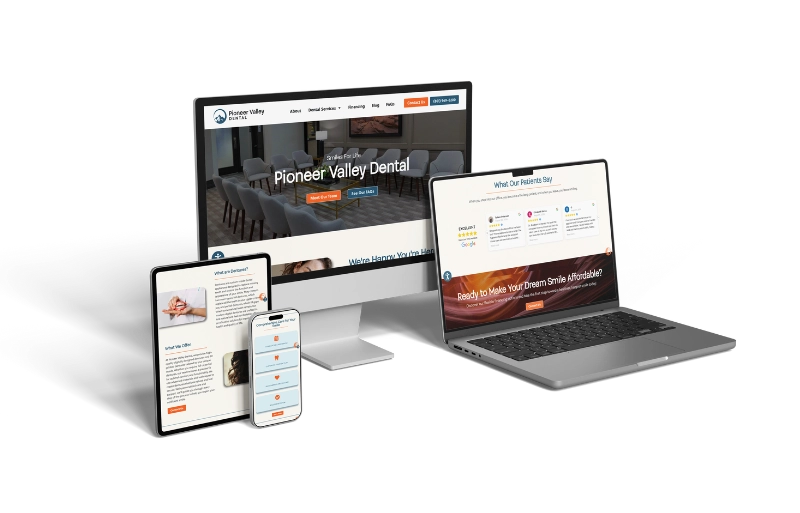
Changing your ideal customer, shifting from project-based to retainer work, changing offers to open new business opportunities, or adding online sales your current site doesn’t support all demand a redesign. New business models require new page types, new funnels, reworked messaging, longer matches between that messaging and the new offer set, and new navigation. A local retailer moving into eCommerce needs WooCommerce or Shopify integrations. Rebrands involve new photography, video, and website copy that fit naturally into a comprehensive redesign project, so the site works as more than a digital brochure.
Outgrowing Your Current Platform or Tech Stack
When a legacy CMS lacks flexibility, modern design capabilities, or the ability to support technological advancements, it’s time to move. WordPress with WooCommerce offers flexible content and commerce. Shopify provides scalable eCommerce. Wix delivers simple, fast editing for lean teams. Platform migration can amount to a complete redesign when both structure and functionality change. Plan it strategically to protect SEO and user familiarity. Modern platforms reduce long-term maintenance costs, support long term success, and unlock capabilities your customers expect.
Security, Compliance, and Integration Needs
Older sites often run outdated plugins, themes, or PHP versions that increase security risk. A redesign is the cleanest path to implementing HTTPS everywhere, secure forms, and robust backup workflows. CRM, email marketing, and analytics integrations work better on modern stacks. Protecting customer data is core to brand trust, not just an IT checkbox. Explore our web development services to see how we approach this.
Practical Checklist: Is It Time to Redesign Your Website?
Run through this annually. Answer honestly:
- Has your conversion rate dropped 20–30% over the last 6–12 months despite stable traffic?
- Is your site over 3 years old without major structural updates?
- Has enough time passed since your last redesign to justify a larger review?
- Is your bounce rate consistently above 70% on key pages?
- Does mobile traffic exceed 60% but the experience feels painful?
- Do you need a developer for simple text or image changes?
- Does your site reflect a visual identity from before your latest rebrand?
- Are you embarrassed to send visitors to your site?
- Does your site lack security certificates or run outdated technology?
If you answered “yes” to three or more, the next step may be a strategic audit or site redesign depending on the severity of the issues. Big Red Jelly helps businesses evaluate exactly where their site stands and propose the right path forward, whether that’s a targeted refresh, a platform migration, or a full rebuild, and choosing the right agency is critical for redesign success. Check out our free website audit resources to get started.
Frequently Asked Questions About Website Redesigns
How much does a typical website redesign cost in 2026?
Costs range from low four figures for simple Wix or small WordPress sites to high five figures for complex WordPress, WooCommerce, or Shopify builds. Price depends on page count, complexity, custom design needs, and content creation. A phased approach — strategy first, then priority pages, then secondary content — helps control budget. View cost relative to the revenue and leads a well-performing site generates over 2–3 years.
Will a redesign hurt my SEO rankings?
A poorly managed redesign can hurt SEO, but careful planning often improves rankings. Key safeguards include mapping and redirecting old URLs, preserving high-performing content, and optimizing metadata. Moving to faster hosting or better themes on WordPress, Shopify, or Wix improves Core Web Vitals. Redesigns actually offer opportunities to fix structural SEO issues that have been holding your site back.
How long does a full website redesign usually take?
Expect 6–8 weeks for smaller brochure sites and 8–16 weeks for larger or eCommerce sites. Content writing, approvals, and gathering assets typically consume more time than design and development. WordPress, Shopify, and Wix speed up builds through mature theme ecosystems. Plan backward from key launch dates and establish clear decision-making processes to avoid rushed timelines.
Can I just update my current site instead of redesigning?
Often yes — if your platform is solid and issues are limited to content, visuals, or specific UX problems. Updates work well when the underlying structure supports improvements. A full redesign becomes preferable when CMS limitations block meaningful progress. Start with an audit to determine whether incremental improvements or a rebuild provides better value.
How do I choose the right platform for my next redesign?
The right platform depends on your business model. Content-heavy marketing sites often suit WordPress. Product-focused online stores suit Shopify or WooCommerce. Very small teams sometimes prefer Wix for simplicity. Consider budget, custom feature needs, in-house skills, and long-term scalability. Switching platforms is easiest during a planned redesign — think about where your company will be in 2–3 years, not just today.