Who is this article for?
Business owners, entrepreneurs, marketers, and advertisers who want to generate organic brand loyalty through marketing initiatives.
What’s Inside?
- Why does brand loyalty matter?
- What drives brand loyalty?
- How can you build brand loyalty into your marketing?
Key Takeaways:
- Brand loyalty is one of the strongest assets you can have
- Brand loyalty will be essential for brand growth in the future
- Emotional connections are key to creating brand loyalty
Did you know that just a 5% increase in brand loyalty among your customers can lead to increased profits between 25 and 95 percent? There are few things that can impact your business success as significantly as brand loyalty, and companies spend billions every year trying to attract loyal customers for that reason. But how can you foster brand loyalty in marketing? Is it something you can plan for or even grow yourself?
Loyalty programs are a proven strategy for building brand loyalty, rewarding repeat purchases, and increasing customer retention by offering points, exclusive discounts, and personalized experiences.
At Big Red Jelly, we specialize in brand marketing and brand storytelling. We’ve helped thousands of companies establish loyal customer bases without blowing their budget. Here’s how we do it.
Why Does Brand Loyalty Matter?
Is brand loyalty really that valuable? If you’re going to spend money on advertising, it should make more sense to cast as wide a net as possible to attract the biggest crowd, right?
Yes and no. Focusing on brand loyalty in marketing does not mean giving up a broad marketing scope. The two objectives are not mutually exclusive. A focus on brand loyalty impacts how you reach out to your audience.]
Knowing who your target audience is and how to communicate to them effectively means your marketing budget stretches beyond the ad campaign — adding value to your brand even after your ad or newsletter is forgotten.
Here are a few statistics that highlight this added value that comes with brand loyalty:
- More than 80% of American consumers are loyal to at least one brand
- Around 65% of all retail business comes from loyal customers who spend 67% more on an average than new customers.
- Customers loyal to a brand are worth around 2.5 times more revenue than new customers. Focusing on customer retention and repeat business from existing customers requires less marketing effort, provides a competitive edge, and is more cost-effective than constantly acquiring new customers.
- Brand loyalty drives corporate revenue 120% above average, globally.
- 86% of customers who are loyal to a brand recommend it to friends or family.
- More than 52% of consumers globally say they go out of their way to buy from a preferred brand.
Source: Brand Loyalty Statistics. Capitol One. 2025
In other words, every dollar you invest into generating brand loyalty eventually pays off 250% more than just attracting new customers. And that’s just for one customer. With increased referrals and strong endorsements, a brand-loyal customer can return the marketing budget invested in them many times over.
What Drives Brand Loyalty?
Brand loyalty is more than just a preference for a particular product or company, simply having better features, lower prices, or flashier advertising can’t create this type of dedication. Brand loyalty is a financial commitment to what a brand represents. It is a manifestation of the customer’s internal values and customer values.
This type of connection can only be created through connecting to a customer’s emotions. Understanding consumer behavior and consumer psychology allows brands to better meet customer expectations and align their strategies with customer values, which is essential for building lasting loyalty.
Examples include solving a specific problem, positioning your product as something that supports the customer’s vision of their ‘ideal self’, creating a strong interaction or event, consistently delivering positive experiences and eliminating frustration, and more. Creating memorable experiences and offering personalized experiences are also powerful ways to foster loyalty by making customers feel valued and understood.
After all, have you wondered why international brands feel the need to pay so much money for advertising? They don’t think people forget they exist, do they? No. They are trying to make an emotional connection with their audience and capture more brand-loyal customers.
The most successful emotional triggers have been empathy and humor.
Interestingly, according to recent studies, Millennials and Gen Z are the most likely to make purchases based on emotion. This might be due to the fact that younger generations are more connected to an international generation and understand how their purchasing behaviors impact the world, driving them to support brands that connect with their sense of justice and responsible consumerism.
But exactly how powerful are emotional connections in marketing?
- Emotional ads are 27% more likely to go viral and be shared.
- Marketing campaigns with emotional themes generate nearly three times more organic impressions.
- 69% of people in North America say that emotions influence their spending.
- Sales reps who acknowledge buyer situations and empathize customers can increase buyer decision-making quality by 11%.
- Emotions drive 56% of B2B purchasing decisions.
Source: Spyralitics. 2025
This is why, when we create a brand guide at Big Red Jelly, we always have brand loyalty in mind.
During the Brand Core chapter of our proven process, we help companies identify their core values and their brand emotion drivers. These drivers are the specific emotional connections a brand wants to build with its audience.
We do this before working on any brand messaging, brand identity, or any assets. Why? Because we understand the importance of having the right emotional connection in your branding.
We’ve helped thousands of brands grow a loyal customer base. This was only possible through a deep understanding of the brand’s emotion drivers that will communicate the value of the brand or product directly to the customer. Product quality is also a key factor in what makes customers loyal, as consistently high standards reinforce trust and preference.
This should be the goal of all your marketing.
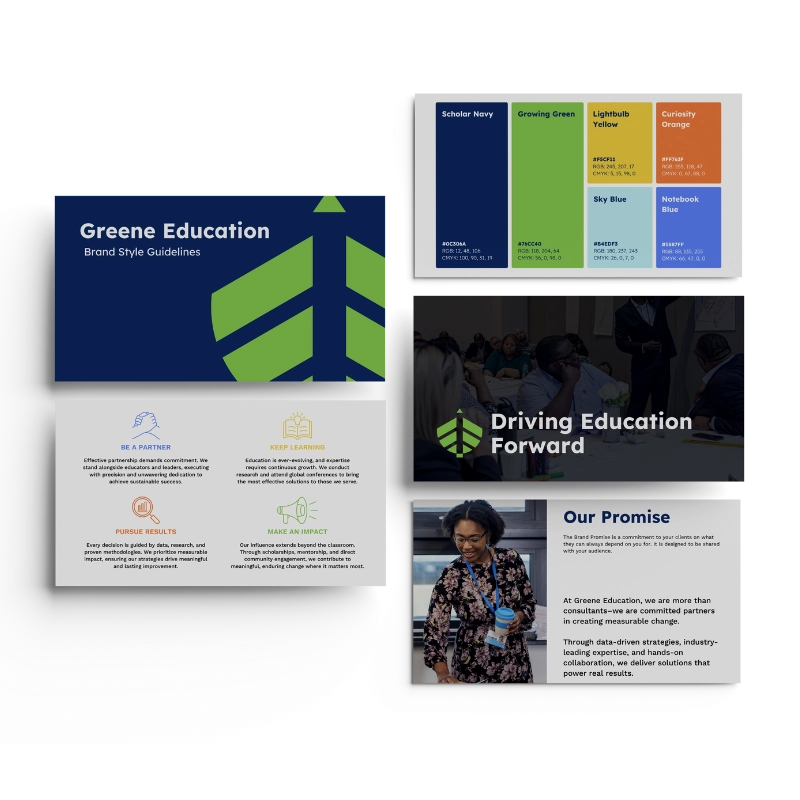
The Greene Education Example
Greene Education is a company based in Madison, Mississippi that was recognized in the region for helping teachers and schools address common education issues. But they were having trouble expanding beyond the state. They couldn’t connect with their prospective customers in a meaningful way and lacked a consistent brand identity across digital and physical channels.
Before we started work on rebuilding their website and creating physical assets for conferences, we focused on refining their brand with attention to strategic messaging and developing a targeted marketing strategy based on data tracking and analytics.
This involved:
- Crafting their core messaging around customer archetypes, positioning them as both trusted mentors and confident leaders in the education space.
- Creating brand usage guidelines so their team could maintain consistency and ensure consistent messaging across all channels.
- SEO optimization targeting key search terms like “school leadership coaching” and “teacher development programs Mississippi.”
- Setting up email nurture sequences that deliver valuable content over time, relieving points of stress and frustration in the lives of teachers and administrators.
- Ensuring all outreach is personalized and relevant to the audience segment (superintendents, teachers, or district leaders), and more.
Greene Education’s work often begins with an in-person introduction — at a conference, community event, or training session — and the key to turning those introductions into partnerships is timely, relevant follow-ups. We built a system that keeps Greene Education top-of-mind long after the first handshake, ensuring all outreach is personalized and relevant to the audience segment, and reinforced the initial emotional connection that was made during the first interaction. This approach helps build lasting customer relationships by fostering trust and ongoing engagement.
This follow-up infrastructure helped Greene Education re-engage conference attendees, community partners, and website visitors in a meaningful and emotional way, turning warm leads into active conversations and long-term clients. By understanding the customer journey and focusing on improving the brand experience, Greene Education was able to create more impactful touchpoints and drive deeper loyalty.
In just a few months, Greene Education had a 40x increase to their CRM contacts and a 10x increase to their number of monthly leads. Their brand now reflects their mission.
“We built their visual identity around the idea of being a guiding light for educators, while making sure their materials still feel warm and inviting. My favorite part was blending their messaging and design to truly reflect who they are: thought leaders who empower schools to reach their potential.”
-Bethany Benham, Brand Strategist
How You Can Build Brand Loyalty in Marketing
So, now we know why brand loyalty is so important, but where do you start?
If you have an existing brand, the good news is you don’t have to redesign your marketing strategy. In fact, if you’ve been operating for a while, you probably already have the foundation of a brand-loyal customer base.
You can build upon this foundation by following these three simple steps. Implementing rewards programs and showcasing your unique service offerings are also effective ways to foster brand loyalty and set your brand apart.
To sustain loyalty, it is crucial to measure brand loyalty regularly and consistently provide great and exceptional customer service.
01. Talk to your customers
At Big Red Jelly, we believe that all the best branding strategies are based on data, and when you’re trying to decide what emotions communicate the value of your product most effectively, the only way to get that data is by speaking with your customers.
You can do this a number of ways depending on how you usually interact with your customers.
If most of your sales are made in-store or in-person, then simply asking them during the checkout process is the easiest and fastest way to understand their decision-making process. If most of your sales come from online purchases, then a short questionnaire or an email is just as effective.
Be straightforward and honest: you want to know why they bought a certain product. How did they feel? What was the deciding factor? What questions did they have that you answered? Collecting customer feedback at this stage helps you gauge customer satisfaction and understand how customers feel about their experience with your brand.
Your goal is to understand what emotions your customers mentioned most often, and which ones were the strongest.
02. Create a consistent brand language
Now that you’ve identified your brand’s emotion drivers, you should craft your brand messaging around them.
This doesn’t mean that every post and message should have the same tone or try to evoke the same emotion, but you should always keep your emotion drivers in mind when creating your content or talking with your customers. Don’t send contradictory messages.
For example: if your product is used to fix a very serious issue, or something closely related to health and safety, then avoid making light of the emotions involved with it.
Incorporate your brand language into your marketing strategy. It is essential to maintain a consistent brand’s voice across all marketing strategies and marketing efforts to reinforce trust, ensure brand recognition, and create a cohesive customer experience. You might have to completely overhaul your initiatives, but this is an investment in your brand that is more than worth it.
03. Communicate your strategy to your team and monitor your progress
Your employees are the ones who will be responsible for guiding your customers through the sales process, which means they are your strongest resource for creating an emotional connection with your audience.
If there is a disconnect between what your customers see on their phone or TV and how your employees speak to them, your marketing will not be as effective as it could be.
At Big Red Jelly, we create an Internal Brand Engagement Program for every client. This is a detailed and tailored plan to ensure a company’s team understands and lives the brand’s core principles and communicates them in a way that is effective. Don’t just send an email.
Once you launch your new marketing strategy, pay close attention to how it performs and the reactions of your customers. To understand loyalty and track improvements over time, use tools like the Customer Loyalty Index (CLI), which measures customers’ intent to make repeat purchases, alongside other metrics such as Net Promoter Score (NPS) and Customer Satisfaction (CSAT). Marketing that comes off as insincere or too strong can turn your customers away or even offend some potential customers. Long-term benefits of your new strategy might take some time to fully materialize, but you will notice if it’s not working very quickly if you’re paying attention.

Conclusion
As with most things, gaining a brand-loyal customer base isn’t complicated, but it does take time and careful attention. It takes a real understanding of your company, your brand, and especially your customers. Building a strong brand and fostering brand communities can provide a lasting competitive advantage by creating emotional connections, encouraging advocacy, and differentiating your business in the market. As you separate yourself further from your audience, it will be harder to connect with them emotionally, and harder to retain brand loyalty.
A truly effective marketing strategy will identify your target audience and include ways to communicate your brand to them in a way that generates brand loyalty and doesn’t water down your message to reach as many people as possible.
If you need a hand creating this marketing strategy for your own brand, we’d love to help! Reach out to our team today to get a free consultation on how your brand can reach new levels of success.
Frequently Asked Questions About Brand Loyalty in Marketing
Do we really need to focus on brand loyalty in marketing?
Yes. While the specifics will change from industry to industry, the fact is that marketing is becoming hyper-personalized and competitive. In a competitive market, brand loyalty is important because it helps your business stand out, drives customer retention, and encourages positive word-of-mouth. Consumers don’t have enough time to share between all the commercials and ads that beg for their attention. Even if you don’t end up creating a brand-loyal customer base, the marketing will still be necessary to reach them effectively.
We already have a very loyal customer base, why should we change our marketing?
You shouldn’t have to overhaul your entire marketing strategy, and we recommend you avoid agencies or advertisers who suggest you do. Clearly, what you are doing is working, but the key to future and sustainable growth is understanding why it is working. Retaining customers and encouraging repeat customers are essential for building brand loyalty in marketing, reducing marketing costs, and driving long-term business success. Your audience will change over time, and if you know what factors are working, you can adjust them to meet your customers where they are.
Doesn’t emotional marketing come off as disingenuous or manipulative?
Yes. When you try to force an emotional connection or use emotional messaging that seems self-serving or greedy, it will backfire. Professional marketers can help you avoid doing this and give you some tips on how to be honest in your advertising while still appealing to emotions.
I worked with an agency that charged for this separately or didn’t offer it at all…
There is no silver bullet when it comes to building a loyal customer base. Your brand values and mission should be woven into your marketing at every level. To foster brand loyalty in marketing, it is essential to ensure consistent quality across all products and services, integrating every product or service into your overall brand strategy. A one-off ad or a marketing strategy that doesn’t include every piece of your brand is never going to be able to deliver the kind of growth you’re looking for.
What if we have multiple brands, can we focus on different emotional drivers?
Yes! The great thing about emotional drivers in marketing is that they can support and amplify each other, even across sectors and industries. When we help brands identify their emotional drivers, we make sure they function individually and together as part of a holistic marketing strategy.
Customers may develop loyalty to a particular brand or consistently choose the same brand across different product lines, driven by strong emotional connections and positive experiences. This preference for a particular brand can significantly enhance customer retention and long-term brand loyalty in marketing.