
Who this guide is for
This guide is for entrepreneurs, founders, small business owners, marketers, and anyone preparing to introduce a new brand—or relaunch an existing one—to the market. If you’ve built something worth sharing, this is how you make sure the world actually notices.
Key takeaways
- A brand launch is one of the highest-leverage, lowest-cost opportunities to build awareness, generate leads, and create momentum—and most businesses skip it entirely.
- Your brand is the gut feeling customers have about your business. A launch is your chance to shape that feeling intentionally from day one.
- Effective brand launches require three things: prepared assets, a ready digital home base, and full internal alignment before anything goes public.
- Generating real excitement means giving your audience a reason to care—a discount, a free consultation, a limited-time offer, or exclusive early access.
- Capturing contact information during your launch turns a one-time event into a long-term growth asset.
- The launch is not the finish line—it’s the starting gun. Follow-up is where the real momentum is built.
What’s inside this guide
- What a brand launch actually is—and why the definition matters
- Why skipping a launch is one of the most common (and costly) mistakes businesses make
- A 3-step brand launch execution framework: prepare, publish, align
- How to generate genuine excitement and give your audience a reason to engage
- How to capture leads and build your community during and after the launch
- Post-launch follow-up strategies that keep momentum going for weeks
A brand launch is one of the most underutilized growth opportunities available to any business. Whether you’re introducing a brand-new company or relaunching an existing one, a well-executed brand launch creates organic momentum, builds awareness, and generates leads—without spending a dollar on ads. This guide gives you a practical, step-by-step framework to execute one that actually lands.
What Is a Brand Launch?
A brand launch is the deliberate, strategic process of introducing your brand to the market—or reintroducing it after a significant refresh. It’s not just flipping a switch on a new logo. It’s a coordinated rollout that shapes how your audience perceives you from the first moment of contact.
Your brand is the gut feeling customers have about your business. Every touchpoint—your website, your social presence, your team’s conversations, your email signature—either builds that feeling or undermines it. A launch gives you the chance to set that perception intentionally, all at once, with maximum impact.
And it’s not just for startups. Established brands do it too. Burger King, Petco, and the Olympics have all executed major brand relaunches that generated massive organic attention. The principle is the same whether you’re a Fortune 500 or a 5-person shop: when you have something new to show the world, make a moment out of it.
Why Most Businesses Skip the Brand Launch—and Why That’s a Mistake
Here’s what typically happens: a business invests real time, money, and energy into developing or refreshing their brand. Then, instead of launching it, they quietly swap out the logo on their website and jump straight into paid advertising.
They skip the launch entirely.
What they miss is the single best opportunity for free, organic attention from the people who are already paying attention to them—their existing audience, customers, partners, and network. A brand launch builds hype. It creates a moment. It gives people something to talk about, share, and anticipate.
People love launches. They love trailers, countdowns, unveilings, and exclusives. Think about how people talk about a product drop, a movie release, or even a restaurant grand opening. That energy is available to any brand that creates it deliberately. If you skip the launch, you’re leaving that energy—and the leads that come with it—on the table.
A brand launch matters because it:
- Creates organic reach without ad spend
- Builds anticipation and excitement in your target audience
- Generates new leads and expands brand awareness
- Gives customers a reason to engage, share, and talk about you
- Establishes credibility and signals that your brand is alive and growing
How to Execute a Brand Launch: A 3-Step Framework
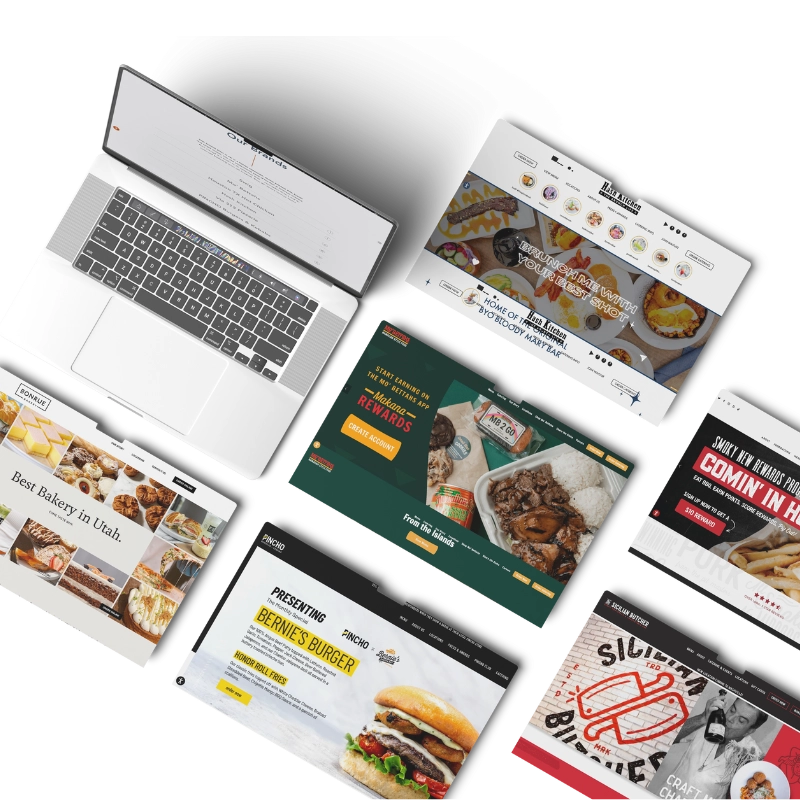
Step 1: Get Your Assets and Messaging Ready
Nothing kills launch momentum faster than going public before you’re ready. Lock everything in before you announce anything.
Brand assets: Finalize your visual identity—logo, color palette, typography, brand guidelines—and make sure every version is production-ready. This includes digital files, print-ready formats, social media templates, and any video or audio assets that support your story.
Content and launch vehicles: Decide how you’re going to roll out the brand. Options include:
- A launch event or webinar
- A social media campaign with a countdown
- An email sequence to your existing list
- A press release and media outreach
- A combination of all of the above
Conduct market research to confirm who your core audience is and what will resonate with them. Update all marketing collateral—pitch decks, brochures, email signatures, social profiles—before launch day so everything is consistent from the moment you go live.
Internal alignment first: Before you announce anything externally, brief your team. Employees should understand the new brand, be able to speak to it confidently, and be genuinely excited about it. An internal rollout before the public launch lets you practice, gather feedback, and ensure everyone is rowing in the same direction on day one.
Step 2: Prepare Your Digital Home Base
Your website is the center of your brand launch. It’s where every piece of launch content, every ad, and every social post should point. If your website isn’t ready, your launch isn’t ready.
Make sure your site:
- Fully reflects the new brand—visuals, messaging, tone, and structure
- Has a clear, compelling homepage that communicates your value immediately
- Includes a launch-specific banner or hero section that creates urgency
- Has fast load times on both mobile and desktop
- Features prominent CTAs that capture visitor information
Think of your homepage during the launch like a Black Friday landing page. When visitors arrive, they should feel like they showed up at exactly the right moment. That sense of timeliness drives clicks, sign-ups, and conversions. A well-built website is the foundation that makes everything else in your launch work harder.
Step 3: Align Your Sales, Marketing, and Leadership Teams
A brand launch only works if the whole company is behind it. Misaligned teams produce inconsistent messaging—and inconsistent messaging erodes the credibility you’re trying to build.
Sales: Your sales team will be the first people prospects interact with after seeing the launch. They need to know the new brand positioning, be able to articulate what changed and why, and actively reference the launch in their outreach and networking.
Marketing and advertising: Every campaign, social post, and email that goes out during the launch window needs to match the brand. Set a content freeze date before launch so nothing off-brand slips through.
Leadership: Founders and executives should be visibly part of the launch—sharing it personally, posting on LinkedIn, and talking about it in meetings and networking events. Personal endorsement from leadership amplifies reach and signals that the brand evolution is meaningful, not just cosmetic.
Generate Real Excitement: Give People a Reason to Care

Announcing “we have a new brand—check it out” is not a launch strategy. It’s a status update. People need a reason to stop, click, and engage.
The best brand launches attach something valuable to the announcement. Think about it this way: imagine a construction company just finished a full rebrand—new logo, new website, new truck wraps, new merch, new office signage. Instead of just posting “we have a new look,” they release a drone video showcasing their best projects, announce a 10-day promotion where new contacts get a free engineering audit, and build a countdown on their homepage. That’s a launch.
Your launch incentive doesn’t have to be elaborate. It just has to be genuine. Options include:
- A limited-time discount or promotional offer
- A free consultation or audit
- Exclusive early access to a new product or service
- A giveaway, contest, or prize
- A live launch event or webinar
- Behind-the-scenes content that makes your audience feel like insiders
Whatever you choose, pair it with a clear, specific call to action. “Click here to claim your free audit for the next 10 days” converts. “Check out our new website” does not.
Capture Information and Build Your Community
A brand launch that doesn’t capture leads is a missed opportunity. Every person who engages with your launch content is a warm prospect—and if you don’t collect their contact information, you lose the ability to follow up.
Make sure every launch touchpoint—your homepage, your social posts, your emails, your event—includes a way for people to opt in. Offer something in exchange:
- A downloadable checklist, guide, or resource
- Early access or a launch-exclusive discount
- Registration for a webinar or live Q&A
- A free audit or consultation
Every email address you collect during your launch goes into your CRM. From there, you can nurture those contacts with follow-up sequences, stay top of mind, and convert them into customers over time. The launch creates the list. The follow-up builds the relationship.
Post-Launch: Keep the Momentum Going
The launch itself is not the finish line—it’s the starting gun. Most of the value from a brand launch comes from what happens in the weeks after it.
Don’t post once and go quiet. Keep the momentum going with:
- Follow-up emails to everyone who engaged, subscribed, or attended
- A second wave of social content highlighting launch highlights or testimonials
- A follow-up webinar or live Q&A for interested prospects
- Regular check-ins with your community over the following weeks and months
Think of your brand launch as the first in a series of moments—not a single event. Every new service, product, feature, or team addition is an opportunity for a mini-launch. Get in the habit of building anticipation, and your audience will start to expect and look forward to hearing from you.
Ready to Launch? Big Red Jelly Can Help.
At Big Red Jelly, we’ve helped hundreds of businesses build and launch brands that create lasting impressions. Our Brand → Build → Grow process is designed to take you from brand strategy and visual identity all the way through to a website and launch strategy that drives real results.
Whether you’re launching a brand for the first time or refreshing one that’s ready for a new chapter, we know how to make it land. Let’s talk about your launch.
Frequently Asked Questions: Brand Launch Strategy
What is a brand launch?
A brand launch is the strategic, coordinated process of introducing your brand to the market—or reintroducing it after a rebrand or refresh. It goes beyond simply publishing a new logo or website. A brand launch creates a deliberate moment of visibility, generates excitement among your target audience, and gives customers a reason to engage with your business at a specific point in time.
How do you execute a brand launch strategy?
A successful brand launch strategy has three core phases: preparation (finalizing brand assets, content, and internal alignment), publication (going live with your website, social campaign, email sequence, and launch incentive), and follow-up (capturing leads, nurturing your new contacts, and sustaining momentum for weeks after launch day). Each phase builds on the last—skipping any one of them weakens the overall impact.
Do established businesses need a brand launch?
Yes. Brand launches aren’t just for new companies. Any time a business rebrands, refreshes its visual identity, launches a new product or service, or enters a new market, a launch creates the visibility and momentum that a quiet rollout simply can’t. Brands like Burger King, Petco, and the Olympics have all used major relaunch campaigns to regenerate relevance and attention. The same principle applies at any scale.
How do you generate excitement for a brand launch?
The key is giving your audience a real reason to engage—not just an announcement. Attach something valuable to the launch: a limited-time offer, a free consultation or audit, exclusive early access, a giveaway, or a live event. Pair every incentive with a specific, time-bound call to action. A countdown on your homepage, a teaser campaign on social media, and behind-the-scenes content that makes your audience feel like insiders all help build genuine anticipation.
How long should a brand launch campaign last?
Most brand launch campaigns run for 2–4 weeks of active promotion, but the follow-up period can and should extend for several months. Plan for a pre-launch teaser phase (1–2 weeks of anticipation-building), a launch window (3–10 days of peak activity), and a post-launch nurture phase (4–8 weeks of follow-up content, emails, and re-engagement). The goal is to create a sustained wave of attention, not a single spike that disappears overnight.
What should I prepare before a brand launch?
Before going public, make sure you have: finalized brand assets (logo files, color palette, typography, brand guidelines), an updated and on-brand website with a clear CTA, a launch content plan across email and social, an internal briefing for your team, and a lead-capture mechanism (email opt-in, free resource, or registration form). Everything should be locked and tested before your first announcement goes out—a disorganized launch undermines the credibility you’re trying to build.






![A man sits at a desk wearing headphones, partially obscured by a colorful banner reading “[Your Personality Here]” in bold white letters. The background is red and blurred, hinting at his focus as a brand strategist at work.](https://bigredjelly.com/wp-content/uploads/2026/03/Brand-Personality-Examples-Cover-Photo-copy-600x403.webp)
