
Who this article is for:
- Small business owners
- People wanting to start their own business
- Marketers struggling to improve advertising metrics
What’s inside:
- What Is Your Brand?
- Brand Perception is Most Important Among Your Ideal Customers
- What Can Small Businesses Do?
- Costly Mistakes to Avoid For Small Businesses
Key takeaways:
- Your brand is what your ideal customers say it is
- Marketing budgets are best spent on communicating your brand values to your ideal customers
- Small businesses have advantages over big businesses that they should capitalize on
Brand perception is important because it directly influences consumer behavior, brand reputation, and overall business success. Understanding how customers perceive your brand is essential for building loyalty and achieving long-term growth.
One of the easiest yet costly mistakes a business owner can make is misunderstanding the role of brand perception in their marketing. Effective advertising, strong brand goodwill, customer loyalty, positive and honest online reviews, and everything else that support a strong modern brand are all built on a foundation of brand perception.
Consumer perception plays a key role in shaping brand identity and business outcomes. By understanding and managing consumer perception, businesses can address perception gaps and gain a competitive advantage.
Not unlike a child eating their vegetables, we business owners know we need a brand, but sometimes we don’t understand why or what exactly it does to help us. We were told we need one and that it’s good for us.
So, what exactly is brand perception, how can you understand what it is and its value, and most importantly, how can you use it effectively to build trust in your company and separate yourself from your competition? A brand represents the perceptions, feelings, and associations that consumers have about a company or its products, which is why understanding what your brand represents is crucial for developing brand equity and fostering emotional connections with customers.
What Is Your Brand?
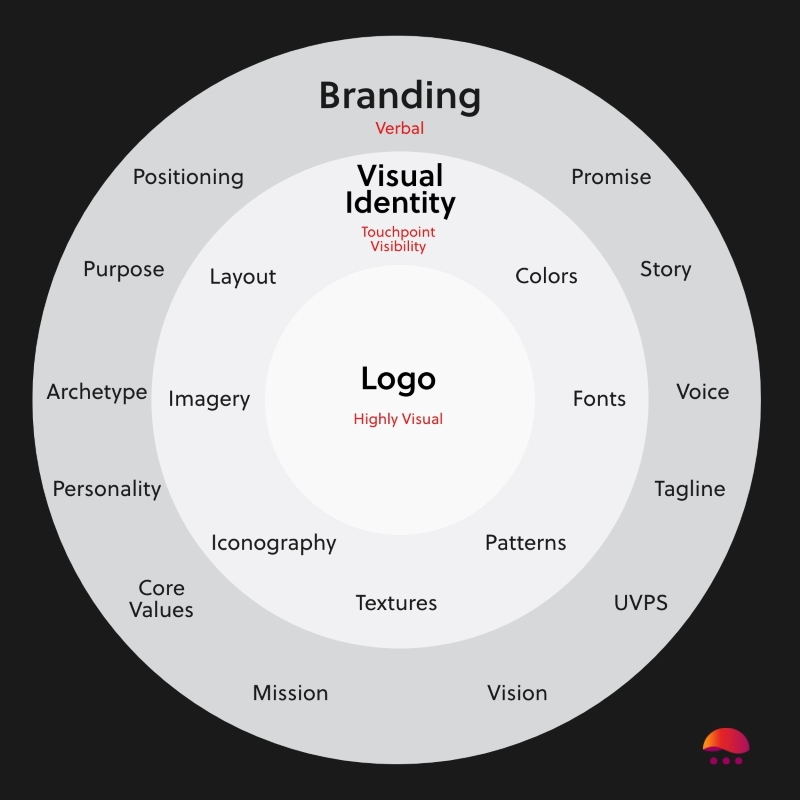
We use the word “brand” every day. We all have our favorite brands of various products. But what does that word mean? What is a “brand” outside the recognition of a logo or slogan?
Beyond that, “brand perception” is something far less concrete and far more elusive in understanding. A genuine understanding of customer feelings and opinions is essential to truly grasp how your brand is perceived.
If you search for brand perception online, all you will get is pages filled with examples of brands who have “positive brand perception” or “negative brand perception” and case studies of how that was accomplished, but you will be hard-pressed to find anything that explains what that perception means or why it’s important. Measuring brand perception through surveys, social listening, and customer feedback is crucial for evaluating how your brand is viewed and for informing business strategy.
So, what is a brand?
”Brand is the perception that your ideal customers have of what you do, what you sell, or what you serve.
Josh WebberCo-Founder & CEO, Big Red Jelly
A brand represents the perceptions, feelings, and associations that consumers have with your business, shaping their overall impression and loyalty.
In other words, your brand is the gut reaction your target audience has to the core business of your company. Brand personality and brand image play a significant role in shaping these perceptions, ensuring consistency and authenticity across all touchpoints.
There are three main points in this that we will explore: the perception of your brand, your ideal customers, and your core business. Emotional connection and creating emotional connections are key drivers of brand perception, influencing both rational and emotional responses. Understanding and shaping brand perception is crucial for consumer decision making, as it affects how customers choose between competing options. Positive brand perception builds brand equity by fostering trust, loyalty, and a strong emotional bond, which ultimately enhances your company’s value and market position. Taking steps to understand brand perception is essential for long-term business success.
Your Brand is Perception
I could list any brand, even some you might not have ever heard of, and you will have a gut reaction to each and every one.
Pepsi, Sketchers, Apple, Costco, CNN, Kirin Mets Cola, Amazon, De Beers, Big Red Jelly.
For each one you had an initial thought or opinion. You might have visualized their logo or a product or notable event or memory. Regardless of what you felt or imagined, your perception of the brand, your gut reaction, is the brand and is inseparable from it.
Some of our reaction is influenced by the colors they use, their core emotion drivers, their spokespeople, even the music or images they use in advertisements, this is undeniable. We don’t want to ignore the power of color theory and design in marketing, but it goes so much deeper than that.
Our gut reactions are rooted in who we are as human beings and emerge from deep cultural, familial, and societal foundations. By simply existing, your business is going to have an impact on those foundations, which is why trying to change those gut reactions isn’t what you should be doing as a business owner.
Businesses can use social listening and social media monitoring to track and analyze brand mentions and sentiment, helping them understand how their brand is perceived in real time. Monitoring online conversations and social media comments is crucial for gaining insights into brand perception and reputation. Customer conversations and real time feedback provide valuable insights into how customers perceive your brand, allowing you to respond quickly to concerns or praise. By using sentiment analysis, you can track opinions specific to your brand and identify trends or issues that matter most to your audience.
Some companies spend billions of dollars every year trying to influence those gut reactions and buy customer loyalty, even trying to alter those deep foundations, with minimal returns. However, brands can influence perception through targeted actions and consistent messaging. Understanding how customers perceive and how consumers perceive your brand is essential for aligning your strategy and maintaining a competitive edge.
Instead, you should be focusing on identifying and communicating to your ideal customers.
Brand Perception and Customer Loyalty are Most Important Among Your Ideal Customers
Ideal customers, target audience, golden opportunities. Whatever you want to call them, it is the opinion of your ideal customers that really define your brand. Understanding and appealing to your target market is crucial for shaping brand perception and driving business growth. It is their perception of your business that creates the value in your marketing.
Good brands, or rather, successful brands, know who their ideal customers are, who their “tribe” is. They focus their messaging on them.
These businesses understand the Pareto Principle (also known as the 80:20 rule), which, in a business context, means that only 20% of your audience is responsible for 80% of your business (whether it be measured by purchases, revenue, views, or something else).
That 20% is your ideal customer. They are the ones who ultimately decide whether your brand lives or dies. Positive customer perception leads to increased loyalty, repeat business, and overall business success.
Building trust with them and differentiating yourself from your competitors in their minds should be the ultimate goal of your marketing. Loyal customers and strong customer engagement are key to sustaining brand value and driving long-term growth. Not trying to reach as many people as possible. Collecting and analyzing customer data throughout the buyer’s journey helps you better understand your audience and refine your brand strategy.
Two fantastic examples of this are Chick-Fil-A and Liquid Death.
Chick-Fil-A chose to operate only six days a week, yet they still outperform their competition by a huge margin. Why? They correctly identified their ideal customer and built a positive brand perception with them. The business they conduct during the other six days more than makes up for what they lose on the seventh. Their strong brand perception has also contributed to increased market share in the fast-food industry.
Liquid Death is an unbelievably successful example of finding success by focusing only on brand perception. It is a masterclass of truly understanding your ideal customer.
Water is water. Metal cans remain metal cans. But Liquid Death found their ideal customer and blasted them with hyper-targeted messaging. If you want to take a crash course on capitalizing on brand perception, we recommend reading the history of Liquid Death.

What Can Small Businesses Do?
Too often we meet with small businesses whose only goal is to become big businesses. But we have seen time and again that leaders who think like this often find themselves unable to succeed in either league; as either a small business or as a big business.
Higher revenues and employee counts come with the cost of less mobility and creative freedom.
The strength of small business lies in the fact that you are a small business. You have options available to you that larger businesses can’t or simply won’t do. Big companies have outside interests that influence what they can and can’t say or do. You don’t have that burden.
Trying to copy the big brands is a sure-fire way to blow through your marketing budget with nothing to show for it.
Take, for example, coffee.
In any city you visit, there is going to be the struggle between big coffee chains and small, local coffee shops. The large chains succeed by offering quick service, lower prices, and accessible locations, even if their products are subjectively worse. There is no world in which a small coffee shop can match the chain in those areas.
Trying to copy the large companies is a losing strategy. The small shops simply don’t have the same needs, requirements, or resources. For large brands, sometimes their advertising isn’t targeted toward consumers anyway, instead functioning as highlight reels for stakeholders or particular companies in the industry.
So, how do the small shops succeed? They focus on what they CAN do that the larger chains WON’T do. Building a strong market presence through consistent branding and visibility helps small businesses stand out in their local communities.
When you are a small brand, you can focus on providing local, targeted service. Enhance the customer experience with simple things like handwritten notes, local events, community-focused collaborations, and other small things that large companies simply won’t do.
You can highlight that you are a single person who makes, packages, and ships everything. You can design your location or packaging however you want. You can answer every question and comment personally. Anything that attracts the attention of your local, ideal audience will work.
A clear and consistent brand promise that aligns with customer expectations is essential for building trust and reinforcing positive brand perception. By focusing on your unique strengths, you can create a competitive advantage that larger competitors cannot easily replicate. Your marketing strategy should emphasize these differentiators, and your marketing communications should consistently convey your brand identity and values to shape how your brand is perceived.
A successful general chooses the battlefield before the battle takes place. Pick the battlefield for your brand, don’t let the big brands choose for you (they are always going to pick price, speed, and convenience). Compete in the areas where you know you can operate better.

Costly Mistakes to Avoid For Small Businesses
We’re all for experimentation and originality when it comes to marketing and advertising. But there remain a few things all small businesses should avoid. Monitoring and addressing negative reviews and negative sentiment is crucial to maintaining a positive brand image, as ignoring these can quickly damage how your brand is perceived online.
Failing to address negative perception can harm your brand by allowing outdated design or unmet expectations to create a poor image in the minds of your audience. Conducting a brand audit helps you identify and address perception issues, ensuring your communications strategy and competitive positioning align with your target audience’s expectations.
01. Spreading Your Budget Too Thin
Big companies can afford to have multiple, specialized marketing initiatives targeting different customer groups. This strategy really took off with social media and continues to grow more powerful. Entire segments of the population are fed completely unique advertising material with no idea any other material even exists.
Most small businesses don’t have the budget for that. For small businesses, marketing funds not spent on advertising to your ideal customer is money wasted.
This is why identifying who your ideal customers is of utmost importance. Once you identify your ideal customer, every dollar you spend on appealing to them is money that adds value to your brand.
02. Trying to be All Things to All People
Everybody has multiple deeply-held values and preferences. Sometimes they might even be contradictory. We naturally want to appeal to all of them and attract as many people as possible while resolving and addressing every single pain point and brand weakness at the same time.
Don’t position yourself as a luxury brand if that’s not who you are, or the kind of customer you want to attract (or, rather, the kind of person who is found among your ideal customers).
Changing your brand messaging to attract a new customer group will only alienate your existing customer base.
This doesn’t mean you shouldn’t try to welcome new customers of different types. Far from it. But your messaging should remain consistent to your brand: who you are.
Are you an easy-going, local, mom-focused yoga studio? You can expand the scope of your ideal customer by hosting a “yoga for extreme weightlifters” night but still staying true to who you are as a company. You don’t need to hide who you are.
03. Competing Solely on Price
Competing on price is always a losing strategy.
You don’t want to find yourself where your only differentiator is price because someone (usually a big brand) will always come along and do it faster, cheaper, or better. It doesn’t matter who you are, your brand value doesn’t come from your low price.
If you have started exploring the path of competing solely on price, it’s best to stop now and refocus your strategy.
04. Mistaking Brand Perception for Opinion
We should be clear: your brand is what your customers think it is, despite what your marketing says.
If your ideal customers say your brand stands for high-quality, fast service, and kind staff. Then that’s what your brand is. If your ideal customers say your brand stands for snobby crowds, dirty dishes, slow customer service, or high prices. Then that’s what your brand is.
This isn’t an opinion that can be changed by throwing more money into marketing. The only way you change this brand perception is by changing the reality that your customers experience: cleaning dishes better, improving customer service, and so on.
Don’t try to change your brand perception through your marketing. Present what your brand actually is.

Brand Perception: Conclusion and How to Measure Brand Perception
Gone are the days where branding means a promise of value or quality. There are simply too many brands of “good enough” quality and too few large companies that have dominated the market for promises of value or quality to have much meaning. Trying to stand out is prohibitively expensive or simply impossible.
Branding is now an understanding between the customer and the company. It is (or should be) a clear communication of the values of the brand along with a promise to keep to those values.
Your ideal customers are the ones who share those values and want a company to provide them a product or service that they can support.
If you feel stuck between identifying your ideal customer, finding your brand values, and connecting the two together, you’re not alone. We’ve helped thousands of businesses do just that. We invite you to let us show you what we can do.
Frequently Asked Questions About Brand Perception
I bought a company with a ruined brand, how can I fix it?
Clarity in your messaging. Communicate to your ideal customers that there is new ownership, be clear about the new direction, announce improvements, update your brand identity.
Perception will take time to change, but it won’t budge unless the brand is actually different.
How much do negative customer reviews impact our negative brand perception?
Not as much as you think, and in some cases a refreshing negative review can bring a sense of validity to your online presence.
When you work on your core brand, good reviews will come naturally as your ideal customers interact with it. Focusing on fixing the rare negative review instead of maximizing the positive reviews usually ends poorly.
So, larger marketing budgets can attract more ideal customers?
Not necessarily. Nobody really thinks that Coca-Cola is paying millions for sponsorship deals because they think people might forget they exist. The marketing goals of such large companies go far beyond generating brand awareness or appealing to their ideal customers.
Without understanding your ideal customers and without clear brand values, increasing your marketing budget will have minimal returns.
We’re a successful small business, but now our area is oversaturated with copycats. What can we do?
Don’t fall for the trap that just because you’re first that you’re somehow better or deserve your place in the industry.
Healthy competition drives innovation. Spend some time identifying what sets you apart from your competition and see how you can improve on it or expand it into new areas.
We want our brand to represent X, but all our customers say it stands for Y, can we fix it?
Your brand is what your customers say it is. Have you tried embracing their perspective and leaning into it?
If you really want to change it, then consider investing in initiatives that reflect your desired brand values. Make adjustments that show your commitment to those values instead of simply saying it in your marketing.







![A man sits at a desk wearing headphones, partially obscured by a colorful banner reading “[Your Personality Here]” in bold white letters. The background is red and blurred, hinting at his focus as a brand strategist at work.](https://bigredjelly.com/wp-content/uploads/2026/03/Brand-Personality-Examples-Cover-Photo-copy-600x403.webp)
