Who this article is for:
Founders, business owners, and marketers who want more clarity in their messaging and stronger alignment across marketing, sales, and brand execution.
What’s inside:
- What brand pillars are and why they matter
- Common brand pillar frameworks and examples
- How to define brand pillars step by step
- How brand pillars support consistent execution
- How Big Red Jelly approaches brand strategy differently
Key takeaways:
- Brand pillars define how your brand thinks, communicates, and operates.
- They create clarity across messaging, marketing, and decision-making.
- Strong brand pillars reduce inconsistency and internal friction.
- They make websites, campaigns, and sales conversations easier to execute.
- Brand pillars are strategic inputs, not just branding exercises.
What Are Brand Pillars? A Beginner’s Guide to Building Brand Clarity
If your messaging feels inconsistent, your marketing lacks focus, or your team keeps revisiting the same strategic decisions, it’s worth stepping back and asking a foundational question: what are brand pillars?
Brand pillars are the core principles that define how your brand shows up, communicates, and makes decisions. They serve as a strategic framework that supports consistency across marketing, sales, leadership, and customer experience.
In this guide, we’ll break down what brand pillars are, how to define them, and how they support clearer messaging and stronger execution. More importantly, we’ll show why brand pillars are not a branding trend, but a strategic necessity.

What are they?
Brand pillars are the essential foundations that shape a brand’s identity, values, market position, and communication strategy. Serving as core guiding principles, they dictate internal operations and external perception of the business.
Typically, companies establish three to five brand pillars. Crucially, these are not mere taglines or slogans; they are strategic anchors that drive decision-making across all departments.
Essentially, brand pillars provide clear answers to critical questions, such as:
- Identity and Beliefs: Who are we and what do we stand for?
- Value Proposition: What consistent value do we offer?
- Market Differentiation: What sets us apart from competitors?
- Communication Strategy: How do we engage across all customer touchpoints?
- Customer Expectation: What experience should customers anticipate from us?
When these pillars are clearly defined, teams operate with increased speed and certainty. Conversely, vague or missing pillars lead to inconsistent execution.
Why Brand Pillars Matter More Than Most Businesses Realize
Many businesses think of branding as visuals or messaging alone. Logos, colors, and copy often get the most attention. But brand pillars operate at a much deeper, more strategic level. They guide how decisions are made, not just how things look.
When brand pillars are unclear or missing, the symptoms show up quickly. Messaging becomes inconsistent across channels. Marketing campaigns feel disconnected from one another. Websites may look polished but fail to communicate value clearly. Sales teams struggle to explain what truly sets the company apart. Internally, teams revisit the same debates again and again, slowing progress.
Brand pillars reduce this friction by giving everyone a shared reference point. They align leadership, marketing, design, and sales around the same core principles, so decisions are made faster and with more confidence.
Over time, this alignment creates consistency. Consistency builds recognition. Recognition builds trust. And trust directly improves conversion and pricing power.
Common Brand Pillar Frameworks and Examples
There is no universal template for brand pillars, but most frameworks include variations of the following elements:
- Purpose or Mission: Why your company exists beyond revenue. The deeper impact or transformation you provide.
- Values: The principles that guide how your brand behaves and makes decisions.
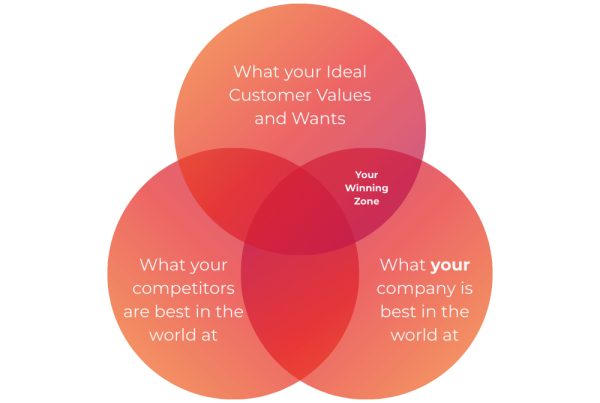
- Positioning: How you differentiate in a competitive market and who you are best suited to serve.
- Personality and Voice: How your brand sounds and feels in communication.
- Brand Promise: What customers can consistently expect when they interact with your business.
The specific structure is less important than clarity and usability. Brand pillars should actively guide decisions, not just describe the company.
If your team cannot use them to evaluate messaging, campaigns, or strategy, they need refinement.

How Brand Pillars Support Consistent Messaging and Execution
Brand pillars act as a filter for everything your company produces.
Before launching a campaign, publishing content, or redesigning a website, your team can ask:
- Does this align with our brand pillars?
- Does this reinforce our positioning?
- Does this reflect our voice and values?
This alignment creates long-term consistency. It prevents reactive decisions and reduces the need for constant revisions.
Over time, consistent messaging strengthens brand equity. Customers recognize you more easily. They understand what you stand for. They trust you sooner.
How to Define Brand Pillars Step by Step
Defining brand pillars requires strategic thinking, not just brainstorming.
A structured approach typically includes:
- Clarify your audience: Understand who you serve, what they care about, and what problems you solve.
- Define your positioning: Identify how you are meaningfully different and why that difference matters.
- Identify recurring themes: Look for consistent patterns in your messaging, culture, and customer experience.
- Pressure-test each pillar: Ask whether each pillar guides decisions and behavior. If it does not influence action, it is too vague.
- Document and activate: Brand pillars should be integrated into messaging, website structure, marketing strategy, and sales enablement. They should not live in a forgotten slide deck.
Brand Pillars Are Strategy, Not Decoration
A common misconception is that brand pillars are a marketing exercise. In reality, they are a strategic foundation.
When brand pillars are clear:
- Websites are easier to structure and write
- Campaigns reinforce one cohesive message
- Sales conversations feel more confident
- Teams spend less time debating subjective decisions
This is where brand becomes an operational advantage. It shifts from being an aesthetic choice to a performance driver.
How Big Red Jelly Approaches Brand Pillars
At Big Red Jelly, we don’t just whip up brand pillars, they’re a crucial part of our bigger brand strategy picture. They’re never a one-off thing.
When you’ve got a solid brand foundation, built on these pillars, it makes sure everyone’s on the same page and informs the important stuff, like:
- What you say and how you position yourself: Basically, nailing how you talk about your value.
- Your Website: Making sure the structure and user experience are spot-on.
- Marketing Stuff: Focusing your campaigns and content planning so they actually make an impact.
- Sales Team Support: Giving your sales folks everything they need to win.
- Future Moves: Offering a clear path for smart, long-term growth.
When we focus on strategy first and get those brand pillars right, execution across all your teams becomes way smoother and more effective. This clear foundation stops that frustrating, expensive cycle of guessing and redoing work. It makes sure your teams are building with purpose and alignment right from the start.
The Bottom Line
Brand pillars are the essential principles that guide your brand’s communication, behavior, and overall approach.
They are crucial because they:
- Establish alignment
- Eliminate confusion
- Boost marketing and sales effectiveness
If you’re finding growth to be more difficult than it should be, the problem may not be a lack of effort, it may be a lack of clarity. Brand pillars deliver that necessary clarity.
If your messaging, website, or marketing feels inconsistent, it may be time to revisit your foundation.
Explore how Big Red Jelly builds strategy-first brands designed for clarity, alignment, and long-term growth.
Frequently Asked Questions About Brand
What are brand pillars in simple terms?
They are the core principles that guide how a brand communicates and operates.
How many brand pillars should a company have?
Most companies define three to five pillars to maintain focus and clarity.
Are brand pillars the same as core values?
Core values are often part of brand pillars, but pillars are broader and more strategic.
Do small businesses need brand pillars?
Yes. Clear brand pillars help smaller businesses differentiate and stay consistent early.
How often should brand pillars change?
They should evolve as the business grows, but not shift frequently or reactively.
Can brand pillars impact sales performance?
Yes. Clear positioning and consistent messaging improve trust and shorten sales cycles.
Should brand pillars be public?
They can be shared externally, but they must first align the internal team.
What is the first step in defining brand pillars?
Start with audience clarity and positioning before defining themes or values.