Who this article is for:
Business owners and entrepreneurs who feel their marketing is “noisy” or ineffective, and leaders looking to build a high-converting website rooted in a proven, cohesive strategy rather than just aesthetics.
What’s inside:
- Phase 1: Research & Discovery: How to move past “gut feelings” by identifying industry gaps and audience psychographics.
- Phase 2: The Guiding Idea: Establishing a North Star strategy that acts as a filter for every future business decision.
- Phase 3: Verbal Execution: The step-by-step hierarchy of Purpose, Core Values, and Messaging before any design happens.
- Phase 4: Visual Extension: Why logos and colors must be a logical extension of the brand’s verbal identity and psychological goals.
- Phase 5: Application & Journey: Implementing the brand across digital storefronts, social media, and physical touchpoints to ensure a unified experience.
Key takeaways:
Branding is a continuous engine, not a one-time decorative phase. A “Brand-First” approach eliminates guesswork for web builders, lowers acquisition costs for marketers, and creates a seamless customer journey from the first click to the final sale.
In the modern business landscape, there is a common misconception that “branding” is a decorative phase involving logos and color palettes that you complete before getting to the “real” work of building a website or launching marketing campaigns. In reality, building a brand goes far beyond visual elements—it’s about developing a strong brand identity that shapes how your business is perceived and remembered.
Branding is not a one-time event; it is the engine that powers every other department. When a brand development strategy drives the bus, it actively helps the website builder and assists the marketing strategist in converting leads at a higher rate.
If you want a website that works and marketing that scales, you have to start with a brand that is built to last. Here is the comprehensive, step-by-step journey of modern brand building, including a brand development strategy to guide your efforts.
Phase 1: The Problem and the Research
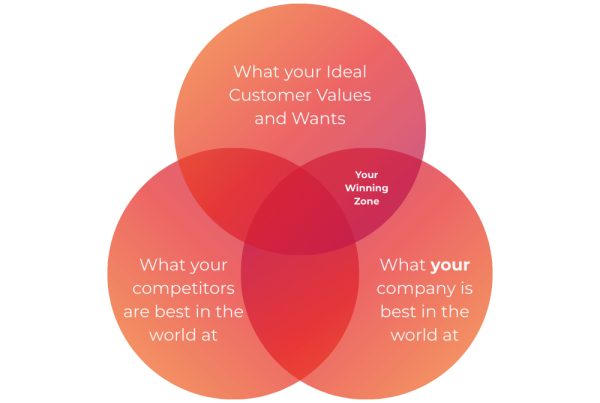
Every iconic brand starts by solving a specific problem. If you start your branding process by talking about colors, you’ve already lost. At Big Red Jelly, we start by identifying the Goal.
- Identifying the Problem: What gap exists in your industry? Why does the world need your business right now? We make sure this aligns with your overall business objectives to set clear direction and measurable KPIs.
- Industry Trends: We look at where the market is moving. If you build a brand based on where your industry was five years ago, you are already obsolete. We also analyze the competitive landscape using tools like Ahrefs and Google Analytics to spot opportunities for differentiation.
- Audience Psychographics: This goes deeper than demographics. We don’t just care how old your customers are; we care about what keeps them up at night, what they value, and what motivates their buying decisions. We use customer surveys and market research to better understand your target market and clarify your value proposition.
By starting with research, we ensure the brand strategy is rooted in data and human psychology, not just “gut feelings.” Understanding your target market is a key outcome of this research phase.
Phase 2: Strategy and the Guiding Idea
Once the problem is defined, we move into the Solution. This is the “Guiding Idea” or the North Star of your business. This strategy acts as a filter for every decision you will make. It’s crucial to get all stakeholders on the same page with this guiding idea to ensure everyone is aligned with the strategy and working toward the same goals. If a new marketing idea or a website feature doesn’t align with this central guiding idea, it gets scrapped. This keeps your business lean, focused, and incredibly potent.
Phase 3: Verbal Execution (The Brand DNA)
A brand must be able to speak before it can be seen. We follow a strict timeline of events to build your verbal identity, ensuring each layer rests on a solid foundation. Establishing a consistent brand voice is a crucial part of this process, as it shapes your messaging, tone, and personality across all communication channels.
1. The Brand DNA
This is the internal soul of the company. It consists of your Purpose (your “why”—the brand’s purpose defines why the company exists), your Positioning (how you stand out against competitors), and your Personality (if your brand were a person, how would they act?). When defining your Brand DNA, include a mission statement as a succinct declaration of your brand’s purpose and values.
2. The Brand Core
This moves into the “how” and “where.” We define your Brand Values, Beliefs, Mission, and Vision. Brand values play a crucial role in shaping your brand’s identity—they are not just posters for the office wall; they are the standards that your website and marketing must uphold.
3. Messaging (The External Side)
Now we translate the internal DNA for the world to hear. This includes:
- Unique Value Propositions (UVPs): What specifically do you offer that no one else does? Your UVPs should be informed by your brand positioning, ensuring they clearly differentiate you from competitors and align with your target audience.
- The Tagline: A distilled version of your entire brand promise.
- Voice: Are you authoritative and professional? Or witty and disruptive? Your brand personality should shape the tone and messaging, ensuring consistency and resonance with your audience.
Content creation is essential for communicating your brand’s message and values to the world, helping to build awareness and engagement.
Phase 4: Visual Execution and Brand Identity
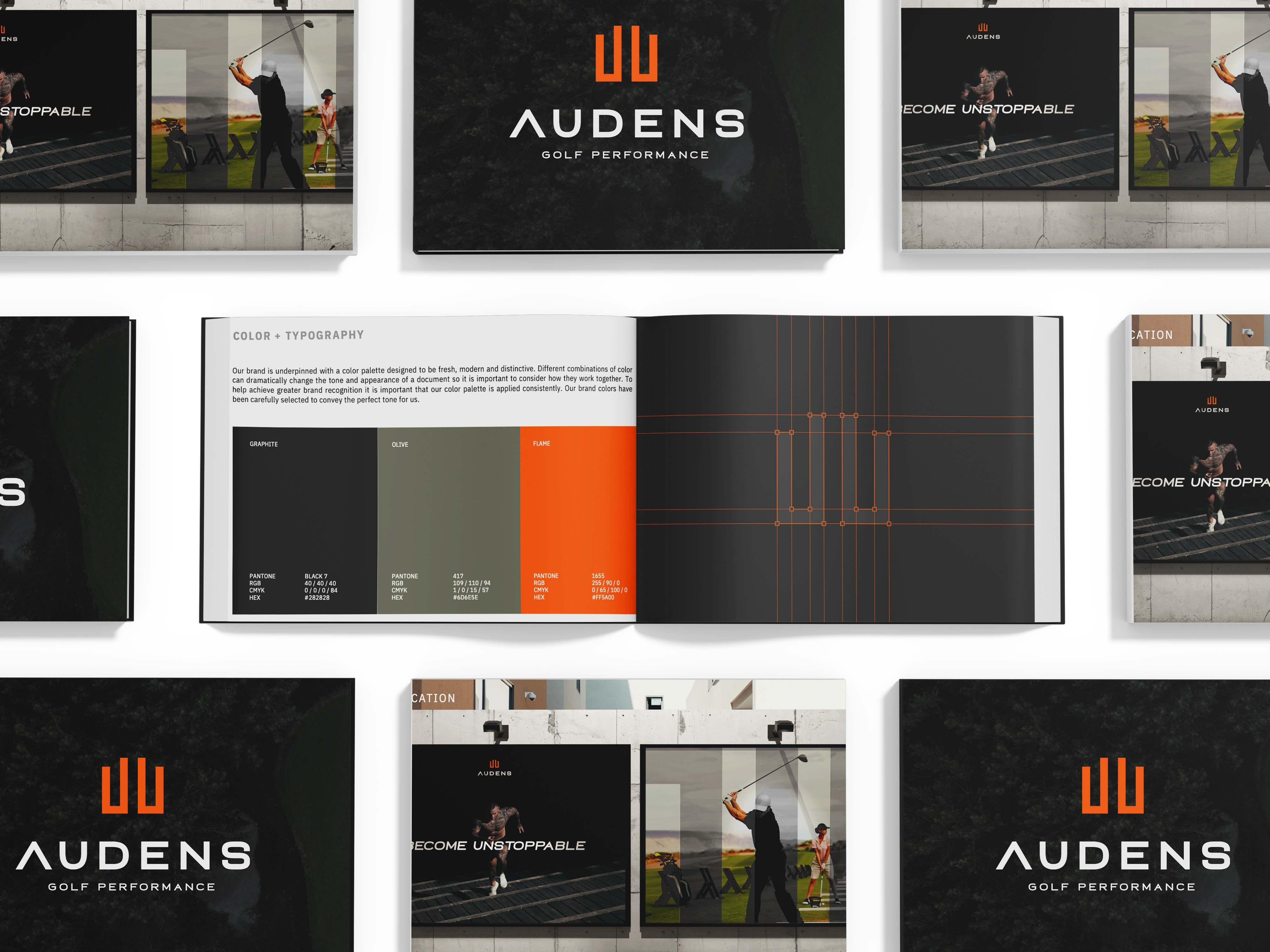
Only after the verbal side is perfected do we pick up the digital paintbrush. Because we have defined the DNA and the Voice, the visuals become a logical extension of the strategy, focusing on developing a cohesive visual identity using key visual elements.
- Logo & Iconography: The visual shorthand for your entire reputation. A well-designed brand logo, created through thoughtful logo design, is essential for building an instantly recognizable brand image that stands out across all platforms.
- Typography & Colors: Selected based on the psychological response we want to trigger in your specific audience. Defining brand colors and a consistent color scheme as core branding elements ensures a unified visual brand identity and prevents deviations in branded materials.
- Imagery Style: Whether it’s custom photography or specific illustration styles, it must feel “on brand.” Incorporating visual content and creative assets helps shape brand visuals and reinforces your brand’s unique look and feel.
Organizing and managing your visual assets is crucial to maintaining brand consistency and a strong visual brand identity across all platforms.
Phase 5: Brand Application and the Customer Journey
This is where the strategy meets the pavement. We don’t just hand over a folder of logos; we look at the Customer Journey. We ask: What is the best way to apply this brand to solve the original problem? For some, the priority is Product Packaging or a physical Storefront. For others, it’s Trade Show Banners and sales flyers. For most modern businesses, the primary touchpoints are Social Media and Digital Advertisements—leveraging multiple channels and marketing channels, including platforms such as YouTube videos, to maximize reach. Every single one of these applications must be a seamless continuation of the brand story.
It’s essential to create cohesive marketing materials and organized brand materials for each channel, ensuring consistency and efficiency across all touchpoints.
The Brand Agenda: Why Your Website and Marketing Depend on It
This is the core of the Big Red Jelly philosophy: Your website and your marketing are how customers experience your brand. Achieving strong brand building requires brand consistency, which is maintained through clear brand guidelines that define style, tone, and messaging. Organized brand assets—such as icons, visuals, and templates—are essential for ensuring your website and marketing materials present a unified and professional brand image.
How Brand Helps the Website Builder
A website is a digital storefront, and without brand strategy, it’s just a collection of buttons and text. When a brand is built correctly first:
- Storytelling: The website tells a cohesive story rather than just listing features.
- Visual Consistency: The builder isn’t guessing which colors to use; they are following the visual brand identity to ensure a cohesive look and feel, using a guide designed to convert.
- UX (User Experience): We know the audience psychographics, so we build the user flow to match how they naturally browse and buy.
How Brand Helps the Marketing Strategist
Marketing is the act of putting your brand in front of people. If the brand is weak, the marketing is expensive and ineffective.
- Alignment: The marketing strategist knows exactly “who” is talking, so the ads feel authentic.
- Targeting: Because the brand research defined the audience, the marketing spend is targeted at the people most likely to convert.
- Trust: Consistency across all platforms builds the trust necessary to turn a stranger into a customer. Consistent branding also strengthens brand recognition and enhances brand reputation, making your business more memorable and respected.
Brand awareness and brand visibility are essential components of successful marketing strategies, helping to increase recognition, connect with your target audience, and maximize the impact of your promotional efforts.
The Big Red Jelly Process: A Partnership, Not a Project
The biggest flaw in the traditional agency model is the “silo.” You work with a branding agency, they disappear, and then you take that work to a web firm that doesn’t understand the strategy.
The Big Red Jelly Proven Process fixes this.
We start with Brand, move to Build (Website), and finish with Grow (Marketing). But here is the unique part: Your Brand Strategist stays with you.
When you move into the Website or Marketing phases, you still have access to the person who helped define your DNA. At this stage, your marketing team works closely with the brand strategist to ensure consistent branding, efficient content workflows, and streamlined communication. They are there to ensure that the website builder stays true to the vision and that the marketing strategist doesn’t drift away from the core message.
In our world, branding isn’t just the beginning of the project. It is the beginning, the middle, and the end goal. It is the constant thread that ensures your business doesn’t just look good, but actually performs.
Engaging your existing customers throughout the brand building process also provides valuable insights and helps strengthen your brand’s presence in the market.
Build Your Brand the Right Way
Are you ready to stop treating your brand like a secondary thought? Let’s build a foundation that makes your website work harder and your marketing go further. Investing in brand building now sets the stage for long-term brand success.
Frequently Asked Questions About Why Brand Building is Non-Negotiable
Is branding just a fancy word for a logo and a color palette?
Actually, no. Think of your logo like a person’s face—it’s how you recognize them, but it isn’t their personality. Your brand is the totality of the experience a customer has with you. It includes your “Verbal Identity” (how you speak)—for example, some brands use an informal brand tone, communicating in a casual, friendly way that feels like talking to a best friend, which helps them connect more deeply with their audience. Your brand also includes your “Brand DNA” (why you exist) and your “Brand Core” (your values). The visuals are simply the final coat of paint on a very deep foundation. A great example is how Airbnb goes beyond just a logo and color palette; their consistent messaging, welcoming tone, and cohesive imagery create a memorable and authentic brand experience for users.
Why should I invest in branding before I build my website?
If you build a website without a brand strategy, your web designer is essentially guessing. Brand development is the foundation for all other business activities, ensuring that your brand identity, positioning, and value proposition are clearly defined before any website work begins. When you lead with branding, you provide the designer with a roadmap of who your audience is, what problems you solve, and what emotions the site needs to trigger. This results in a “Brand-First” website that doesn’t just look pretty but is strategically designed to convert visitors into customers.
How does a strong brand make my marketing cheaper?
Marketing is the act of putting your business in front of people. If your brand is weak or confusing, you have to spend significantly more on ads to “convince” people to trust you. A strong, consistent brand builds familiarity and trust faster. When people recognize and trust a brand, they click on ads more often and convert at a higher rate, which lowers your overall customer acquisition cost. Strong branding also helps attract potential customers more effectively and helps build customer loyalty and brand loyalty, leading to higher retention and repeat business.
When is the right time to "refresh" or "rebuild" my brand?
If you find that your marketing feels “scattered,” or if your business has outgrown its original niche, it’s time for a refresh. Updating your brand can also support long-term growth by ensuring your messaging and identity continue to attract your ideal audience and adapt to changing market conditions. Other signs include:
- Your website feels “off” or doesn’t match your current quality of service.
- You are attracting the “wrong” kind of customers.
- You find it difficult to explain what makes you different from your competitors.
Can I measure the ROI of brand building?
Yes, but it’s a “long game” metric. The ultimate sign of a successful brand is Pricing Power. If you can charge a premium for your services and your customers are happy to pay it because they value your specific brand over a generic competitor, your brand is working. Another key metric for measuring the value of brand building is brand equity—the perceived value and recognition your brand holds in the minds of customers. For example, Coca-Cola is a brand with exceptionally strong brand equity, thanks to its consistent branding and relatable communication style. Other metrics include higher conversion rates on your website and increased customer loyalty (repeat business).