People often ask… What is the difference between ‘Branding’, ‘Brand Identity’, or ‘Brand’…
Or maybe they don’t… But, you should be asking this question. Because understanding the difference is imperative in positioning your product, service and company correctly within your market (and within the minds of your consumers), so they can grow more effectively and sustainably longterm.
The term ‘brand’ get’s thrown around a lot, even in our day to day conversations and jargon.
“Nike is my FAVORITE brand…”
or
“OMG… I love THAT brand, the material is so soft…”
Why don’t we say ‘business’ or ‘brand identity’ in place of the word BRAND when having these types of conversations? Well, today we are going to explore the difference between these terms, which help you change your perspective on the differences between these brand stages and how you can capitalize on them in order to help your company grow.
1. What is branding?
Branding is how you WANT your product, service or business to be perceived, by your ideal customer… This may seem obvious, but it’s a critical first step in developing a strong brand. You will notice that in order to accomplish this phase, you actually need the answer to two critical pieces of information:
- WHO is my ideal customer really? (this is a whole other conversation entirely, and one item that many, many brands get wrong…)
- How do I WANT them to perceive my business, product and services?
I’ve worked with thousands of different brands, in dozens of different industries around the globe, and you would be surprised at the disconnect when I asked the two questions above to a company’s leadership and their employees…. Hint, hint… I often get VERY different answers!
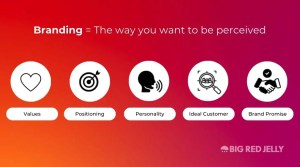
How can we build a strong brand if we are not aligned on even the most foundation points of what a brand is. Another way of thinking about BRANDING is, “what is the reputation that you want for your business?” Pretend for minute that you are a public speaker, influencer or thought leader… The first step, is sit down and ask yourself WHO do you want your audience to be? And, HOW do you want them to perceive you?
- Intelligent?
- Controversial?
- Wise?
- Ambitious?
- Creative?
- Conservative?
- Liberal?
- Old school?
- New school?
When we ponder this principle, we quickly realize that we CANNOT proceed effectively in building our brand, if we can clearly answer these first two question… Again:
- WHO is our ideal customer/audience/client?
- HOW do we want them to perceive us?
2. Brand Identity
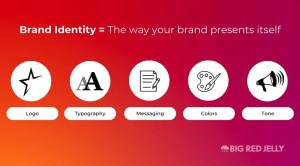
If branding is how you WANT to be perceived by your ideal customer, then brand identity is the way that you actually present yourself to these ideal customers. Going back to our previous example of wanting to be a public speaker… If you WANT to be perceived as an intelligent thought leader in the finance and investing space… But, you haven’t done your research, your audience isn’t interested in finance, and your presentations present no new captivating information related to the topic… Then you’ve lost the plot.
This may seem simple… But, again, I have seen many brands make this mistake. Once they accomplish the first phase of understanding WHO they serve and HOW they want to be perceived, they go and “drop the ball” when it comes to having consistent messaging and positioning in supporting that perception.
If I own an HVAC company and my ideal customer is residential, middle-class home owners in Salt Lake City, Utah, and I want to be perceived as the “Any hour, responsive and friendly team of HVAC experts”… But my messaging, content and brand identity focuses more on the ‘specs’ of my equipment and my experience as the founder… Then I have a disconnect in my brand messaging and positioning.
Make sense?
Take some time and review, ask yourself the following questions:
- What emotions does my logo and brand visuals convey?
- How consistent is my website homepage copywriting with my desired perception?
- What adjectives, jargon and messaging do I use?
- What is my brand voice?
- What is the tone of my messaging and content?
3. Brand

Ah… The summit of our brand building experience here today… Your BRAND! This is my personal definition of what a brand is…
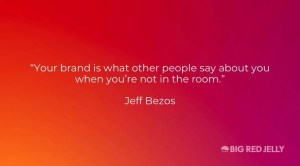
“How your ideal customers actually PERCEIVE your products, services and business”
Notice the progression here in our discussion. First we must understand who we want to attract, then we must solidify how we want them to perceive. It’s then important to ensure that our visuals, content, messaging, positioning, marketing, sales, etc are all aligned with that desired perception.
And, when done accurately and concisely, we can finally influence the perception of our target audience and carve out that space within their minds, that we want to OWN as their “go-to” favorite product, service or solution for that “thing.”
When you really pause and think about it… Your BRAND is all you really have. Everything you do, and everything that your employees do, either builds, or takes away from your brand. So, be sure to prioritize this above everything else.
Allow me to show you just how influential brand building really is. Using some examples below, I’ll illustrate how effective other brands are at ‘carving our space in your mind’ that they OWN when it comes to what they do.
I will HIDE the logo of the following brands and you tell me if they ‘OWN’ a certain space in your mind…




Ok, ok, this is too easy… How about I hide the product entirely…

Ok, this is still too easy… The next photo has NOTHING to do (technically) with this popular drink brand…

Still got it? This next brand is synonymous with a particular pattern… They OWN this combination of shapes and lines…

Make sense? This is not by accident that these brands OWN a particular set of emotions, reactions and space within your mind. They have mastered the few steps in the brand building process that we have reviewed today. They have:
- Clearly understood WHO their ideal custom is, and speak to them…
- Identified HOW they want to be perceived to these customers
- PRESENTED their brand in a way that is consistent with the first two points
- Stayed consistent and loyal to that positioning
Which will eventually lead to influencing your ideal customer’s perception, in a way that finally aligns with how you desire to be perceived.
When these desired are aligned, the results are clear:
- Better conversion rates
- Higher brand loyalty
- More returning customers
- Lower customer and client churn
- Increased marketing reach
- Improved sales
- Increased revenue
- Ability to charge higher price for higher value
- More profit
Your brand is everything…
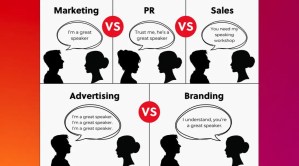
Following the steps above, and understanding the difference between branding, brand identity and brand is what allows you to 10X the value of your product or service. There is a REAL reason that consumers are willing to pay 10X for a pair of shoes that has that iconic Nike swoosh on the side… Event though it’s made from the same materials, and follows the same production and delivery process that many other brands have adopted…
They own that PERFORMANCE and STATUS space in the minds of their customers…

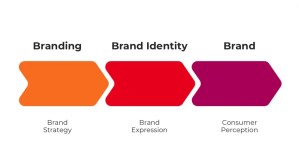
While the terms branding, brand identity, and brand are often used interchangeably, there are critical distinctions that every business should understand. Branding is the ongoing strategic process of shaping how your company is perceived. Brand identity is the blueprint – the core elements that guide your branding efforts. Your brand is the culmination of these elements – the unique image and reputation you’ve created in the eyes of your audience.
Why Do These Distinctions Matter?
Think of your branding efforts like building a house. Your brand identity is the architectural plan – the foundation that defines the style, structure, and key features. Without it, you risk haphazard construction. Your brand, then, is the completed house itself – the tangible embodiment of that plan, showcasing personality and functionality.
A strong, consistent brand is essential for business success. It helps you:
- Stand out in a crowded market: A clear brand identity differentiates you, making you memorable.
- Build trust and credibility: Consistency signals professionalism and reliability.
- Attract your ideal customers: Your brand values resonate with those who align with them.
- Drive higher perceived value: A strong brand can often command premium pricing.
Crafting a Powerful Brand: Key Takeaways
Here’s how to build a brand that resonates and endures:
- Invest in your brand identity: Take the time to deeply understand your mission, values, unique selling points, and target audience. Document this in a brand guide.
- Consistency truly is key: Ensure your brand identity (colors, fonts, tone of voice, messaging) shines through in every customer interaction – websites, marketing materials, social media, and in-person experiences.
- Embrace authenticity: Let your true brand personality shine. Consumers are savvy and value genuine brands.
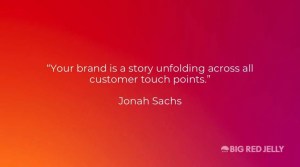
- Storytelling is powerful: Use your brand narrative to connect emotionally with your audience, evoking the experiences and feelings you want associated with your company.
- Monitor, and adapt: Stay attuned to market trends, customer feedback, and competitor moves. Refine your branding strategy and identity as needed to stay relevant and impactful.
So, whether you’re a seasoned entrepreneur or a fresh-faced startup, don’t let the world of branding intimidate you. With a dash of creativity, a sprinkle of strategy, and a whole lot of heart, you can build a brand that lights up the marketplace. Remember, a strong brand is within reach – all you have to do is start building!