How we advertise has changed drastically. It’s not just the typical 30-60 second videos during commercial breaks on TV. That’s long gone. Traditional marketing campaigns, like direct mail and other classic approaches, were once the standard, but now modern strategies have taken over. Campaigns and advertising are now about creating change, being different, and breaking from the traditional straightforward advertising that we know as “advertising.” Developing a unique and creative concept is now essential for brands to stand out and differentiate themselves in a crowded market.
Brands are creating short form hype on social media, hosting interactive or experiential events, and are connecting wherever they can with their target audience. It feels like every brand is doing the same thing and making a real impact seems impossible. One way, however, brands have been able to create larger impact and stay memorable is brand campaigns. A branding campaign helps build brand awareness and a strong, recognizable identity by communicating core values and shaping public perception—think of iconic examples like Nike’s ‘Just Do It’ or Google’s ‘Year in Review.’
What Are Brand Campaigns?
We have all seen brand campaigns, and they’re not the typical ads that revolve around a product, but revolve around what a brand stands for and values. In short, brand campaigns shape how people think and feel about a brand. A brand campaign communicates the brand message and reinforces brand identity, helping to establish a unique image and consistent personality across all channels. A product campaign is what a product does, a brand campaign is what a brand stands for and how it aligns with the company’s core values.
The two best examples of brand campaigns is (a very overused example) Dove’s Real Beauty campaign, and a more recent campaign launched by The Ordinary called The Periodic Fable.
1. Dove’s Real Beauty Campaign

Dove makes soap. So what does soap have to do with beauty? For Dove, everything. They took something women felt deeply about, themselves, and attached it to their brand through this campaign. Women struggle with their self-image and brands have taken that to their advantage, Dove flipped the script and showed that they think every woman is beautiful just the way they are and that’s what women needed. Dove has used what their brand then stood for and still does, and applied real beauty to the age of AI, showing that what a brand stands for can transcend decades. (see image)


(If you want to read more about the campaign this is an interesting article written by the Harvard Business School.)
In summary, this campaign一or even movement一has created more brand awareness and sales than any other product focused campaign. Dove’s Real Beauty is a successful branding campaign that reshaped the brand’s image and left a lasting impression on its audience. Focusing on what the brand stands for is what resonates with people (if done right), not why your soap is the one that cleans your face better than others.
2. The Ordinary The Periodic Fable campaign

The Ordinary is a skincare and cosmetics brand that has always stayed cheaper compared to other brands and focuses on basic skincare products. This in itself doesn’t necessarily stand out and connect with people. However, what The Ordinary did was take on an issue that consumers did feel strongly about: overhyped and fake skincare with no scientific evidence. Without advertising their own products, The Ordinary stood for something their audience relates to and has seen enough of. Taking a stance as a brand has created more hype around them than in the last years of them advertising their product.

This approach fostered authentic engagement by encouraging genuine conversations and trust among their audience, while also refreshing and strengthening The Ordinary’s brand image. The campaign also leveraged user-generated content, as customers shared their own experiences and stories, further amplifying the campaign’s reach and credibility.
(Here is the link to the full campaign)
Without even seeing their product once, The Ordinary has managed to make people feel something in favor of their brand and stood against all other beauty brands. Again, focusing on what the brand stands for is what resonates with people (if done right), not why your serums are the best.
How Brand Campaigns Increase Value and Increase Brand Awareness for Your Business
We’ve heard it time and time again, but people don’t buy products, they buy brands. With every brand that they buy, they buy the feeling behind the brand.
Brand campaigns that focus on story and emotion not only increase sales and value, but also contribute to business success by building brand reputation and identity. These campaigns foster customer loyalty and brand loyalty by creating emotional connections and encouraging long-term relationships with customers.
How can focusing on the story and feeling your brand communicates, help increase sales for small or big businesses?
1. Emotion drives decision, logic justifies them
When a good brand story and a great brand purpose make your customers feel something first, they’re interested. Think about how you yourself make decisions or how you feel after a movie. Do you remember the whole plot and every single line in the movie or do you remember how you felt when you watched it and how you felt after? The same principle applies to our buying habits. Emotional storytelling not only creates an emotional connection but also drives customer engagement, which can be more valuable for long-term brand success than simply focusing on immediate sales.
2. Stories make something memorable
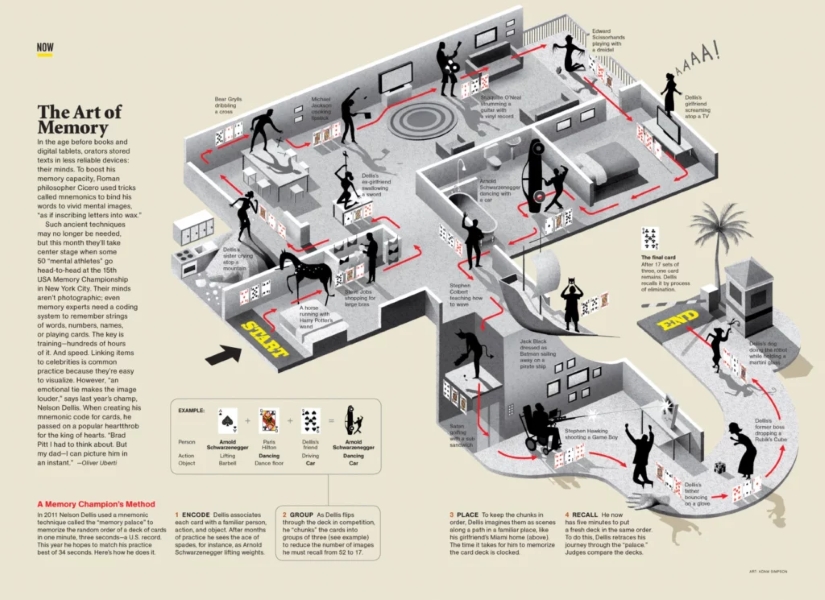
Anybody who’s ever studied for a hard exam or tried to memorize lots of information has probably heard about the Mind Palace technique. In your head, you build this story, this place that you walk through and attach certain topics, words, or concepts you’re trying to learn to let’s say a dancing monkey that braids the pony’s mane while the pony is cutting onions and crying. I bet you’re picturing this right now and won’t forget it for the rest of the day. I won’t.
We remember stories because that is how our brain is wired. The more you remember a brand’s story, the more you remember the brand, the more likely you are to buy from that brand or choose it first when your dishwasher breaks and you need a new one.
Brands can measure success by tracking how well their stories create memorable experiences for their audience.
3. Emotion builds trust and customer loyalty
Like in any relationship, the right emotions build trust and loyalty. We’re wired that way so why should a relationship with brands be that different from our personal relationships?
When you connect with someone emotionally, you’re more likely to choose them over someone else who might look better, but with whom you don’t have an emotional connection with. Be the brand that you pick to marry, not hookup with.
To further strengthen trust and loyalty, it’s important to engage existing customers through a loyalty program that encourages customers to continue choosing your brand, using incentives like special offers or discounts.
These are just a few reasons why a brand campaign can increase your brand value and revenue, but how do we go about creating a campaign like that?
How to Create a Brand Campaign for Your Target Audience
As a small business, we don’t have millions or thousands to spend on a brand campaign like these, but a brand campaign doesn’t mean creating these monstrous and expensive campaigns. It can start with being consistent on your website, in your newsletters, your in-person or online communications, etc. The key elements of a successful brand campaign include a clear campaign vision, alignment with your company’s target audience, a well-defined marketing strategy, and the use of effective channels such as social media platforms and email marketing.
Knowing that a brand campaign doesn’t need to be 60 second statement videos or large billboards in NYC, let’s start with questions to ask yourself when thinking about a brand campaign.
Brand Campaigns are all about these 4 key points
-
It needs to be PURPOSE DRIVEN.
-
-
- What is your brand about?
- What do you stand for?
- What are you trying to achieve in society that’s not about selling your product?
-
-
It has to be EMOTIONAL AND NARRATIVE BASED.
-
-
- What is the emotion you’re trying to evoke within your audience?
- What emotions are your consumers feeling?
- What do you want them to feel?
- What story are you telling?
-
-
It needs to be CONSISTENT ACROSS TOUCHPOINTS.
-
-
- Do you express the stand you’re taking in all of your actions?
- Is what you’re trying to say communicated in your website, in your ads, in your partnerships, etc.?
- Do people know what they’re getting when they buy from you? (not the product, but the feeling)
- Are your campaign messages aligned with your company’s target audience?
- Are you leveraging social media platforms and email marketing to ensure consistency and reach across all channels?
-
-
It focuses on LONG-LASTING impact.
-
- What do you want to build that’s long-lasting?
- Don’t focus on short-term fast sales. (not a question, but a request)
You can use these questions as a guide to start somewhere and create brand value that’s sometimes hard to find or identify, but will change your relationship with your customers and can create more value and revenue.
A brand campaign can be what you decide it is. Your capabilities as a brand decide where you can start, and how big you can make it. There are many types of branding campaigns, such as social media initiatives, influencer collaborations, and public events, each requiring a clear marketing strategy to effectively shape and promote your brand identity.
However, don’t get held back by the fear of spending money on something that won’t have an immediate impact. Good things take time, and to build a relationship with your target audience means creating a connection with them through standing for and making them feel something. You want to be the brand they marry, not the brand they have a one-night stand with.
To create marketing campaigns that resonate, focus on authenticity, creativity, and strategic analysis. Review your campaign results to inform and optimize future campaigns, and always ensure your team is aligned with a strong campaign vision.
Connect with your audience. Stand for something. Focus on what you make them feel, not the product you give them.