Stephen Wunderli, Zach Webber, and Joshua Lee answer questions such as:
- How do we give our customers an experience they want to remember?
- What messages will our ideal customers connect with?
- What are the key components of a brand name that our customers identify with?
Experiences Worth Remembering
Tonight’s first speaker was Stephen Wunderli. He started off the presentation with a reason to know your audience. He was walking across the road in Nairobi and made eye contact with who he thought was the driver. Mistakenly he was hit by the car because the driver was on the other side of the car. Know your audience. Don’t get hit by a car.
Wunderli asks us to consider how certain brands are to die for. To illustrate human nature and the desire to devote oneself to a brand, he uses Apple, a phone brand that, although it may not have the very best technology available, is a to-die-for brand. Why?
Apple understands the importance of offering an experience not just a product.
- They give their customers a positive memorable first interaction.
- They create an experience customers identify with.
- Develop brand loyalty through a consistent experience.
Who we are, what we buy, and what we believe is determined by our experiences. People’s memories are often selective of what they want to remember.
Real-World Examples
Disneyland
Disneyland understands that when people finish a ride they want to remember that experience. As a result, they provide convenient gift shops at the end of each ride so visitors can remember their special day in Disneyland. This brand experience is what sets Disneyland apart from other theme parks.

Skullcandy
Skullcandy entered into a market that didn’t have many high-end products yet. Skullcandy performed well because the younger generation identified with their logo and brand much more than their competitors. Some of their competitors like Philips had nicer equipment but felt dull to those younger audiences and as a result, didn’t perform as well.
This story additionally illustrates the need to target the right customers when creating your experience. Skullcandy wisely targeted the younger generations who didn’t have a brand loyalty to anyone yet. It’s 10 times harder to convince someone to change their mind than to make up their mind.
Starbucks
Starbucks founder, Howard Schultz, once said: “We are not in the coffee business serving people but in the people business serving coffee.” Starbucks focuses on people and their experience with their brand. Their messaging focuses on the environment they provide with places to sit and meet with other professionals or get their work done while enjoying a cup of coffee. Their cup of coffee doesn’t taste much different than any other cup of coffee, however, they can sell that cup of coffee for $6 because of the experience they provide. People identify with the experience and want to be a part of it.
To end, Wunderli explains that you can shape your audiences’ perception of your brand through the experience you give them. Give them experiences they identify with and they will identify with your brand.
Identifying Your Ideal Customer
Zach Webber’s message spoke to Identifying and relating to your ideal customer. He started by emphasizing the importance of targeting the customer who actually spends money. Identifying a target audience can be helpful, however, if you’re an e-commerce store, 95% of your visitors will not buy anything. When you can rule out those 95% and focus on those who actually spend money you will find a lot more success in your messaging.
Assumptions that are often misguided:
- Followers and Subscribers are our ideal customers
- The end user is our ideal customer
While both subscribers and users are important to consider, their ideal customer is only those who actually make a purchase.
Crafting Your Message to The Ideal Customer: Real-World Examples
Michelin Tire Commercial
When messaging the ideal customer you need to ask yourself from the customer’s perspective “What’s in it for me?” Webber shares a commercial for tires where mother and daughter are talking about the need for safety in the vehicle. Those who produced the commercial knew how to identify with the buyer. Mothers and fathers who care about the safety of their child would identify with this commercial and be more likely to buy tires from this company due to their ability to identify with that message.
Volvo Commercial
In addition to knowing what your customers benefit from your product or service, you also need to understand their emotions and relate with them on an emotional level. Webber illustrated this principle with a Volvo commercial where two parents welcome their new child into the world and soon find raising a child to be a lot of work and hard to keep up with. With the many trips to the store, they may end up tired, but lane assist keeps them from accidentally shifting lanes. It was a car commercial targeting young parents’ emotions of tiredness and needing assistance to stay safe and grounded. Understanding the emotions of your ideal customers will make a huge difference in your ability to craft brand messaging to them well.
Patagonia Ad
When you know your ideal customers and understand their emotions and values you can create great content tailored to them. Another example he shares is an ad from Patagonia which at the top says “Don’t Buy This Jacket.” This ad at first would seem to be a mistake, but underneath the jacket, it also says “Unless you need a new one.” Patagonia is an eco-friendly company with a large customer base who cares about eco-friendly messaging and branding. Their customers will see this ad and think Patagonia is being responsible by encouraging people to not buy unnecessary things that could hurt the planet. Those who identify with this message will likely buy this product which causes this ad to perform very well.

To create a brand identity that resonates with your ideal customer, you need to identify who is spending money on your product or service, understand their values and emotional needs, and craft messaging that speaks directly to them.
Naming Your Brand: Aligning Your Brand and Customer Identity.
Joshua Lee spoke about the art of naming a brand. He started by talking about why your name matters. A name is your first impression, it conveys meaning and builds a connection with your customers. You need to choose your name with your audience in mind. Some questions you might think about are: What are your customer’s values? What message does your brand name send? How does this connect to your audience’s values?
The Impression of Your Name: Real-World Examples
Energy Drinks
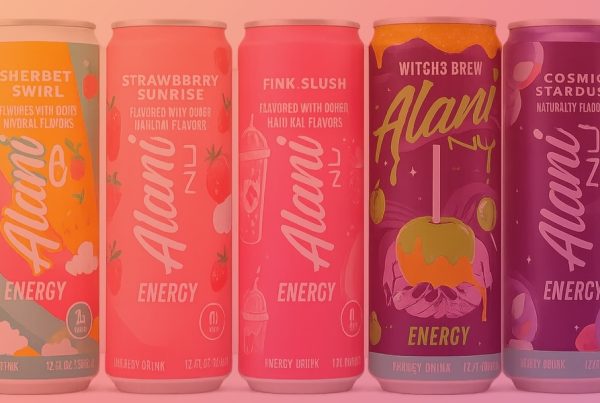
Your band name determines how people feel about your brand. For example, Liquid Death and San Pellegrino are two different drink brands. Liquid Death communicates a much more fun and exciting identity causing those seeking a fun experience to feel connected to your brand. In contrast San Pellegrino is more elegant and connects with a different audience.
All Paws Count
Lee continues to dive into the importance of the impression your brand name sends. It’s important to differentiate yourself from your competitors. Utah Valley Animal Rescue is an organization Lee has worked with seeking a solution to their lack of brand awareness. They had several competitors with very similar names such as South Utah Valley Animal Shelter. Using Big Red Jelly’s rebranding services, Lee and his team helped them analyze their purpose of caring for lost animals to create a rebranded name All Paws Count. This allowed them to stand out from their competitors and connect to the values of their customers and supporters.
THRST Hydration
Optimum Kids Hydration was another company with a name that wasn’t connecting with its audience. They compete with big brands like Gatorade and Powerade which target the young generation of athletes. Their name was an issue as it sounded boring and their logo looked like it was being marketed to older generations. After a rebranding, they changed their name to THRST Hydration. They spelled the word “thirst” and “THRST” to match the clipped, stylized way teenagers type online.. Additionally, with Big Red Jelly’s logo design services they styled it in a comic book-like font to give it movement. This shift connected more with younger audiences that wanted a fun drink to get them energized and ready for their workout. A name completely transforms the message you send your customers and will either make or break your business.

- Do you know what your audience values most?
- Does my name relate to my audience?
These two questions help you think through what your audience cares about and how you can connect with them.
Name Recollection: Naming Tips
A brand needs to be memorable. A few strategies for making your brand name memorable are alliteration, rhyming, and uncommon words. Coca-Cola uses alliteration in its name, StudHub uses rhyming, and Kodak is an uncommon word that sets it apart from other brands.
Brand names also need to be easy to pronounce and avoid tricky spelling. A good example is Crumbl who intentionally spelled crumble wrong to get people’s attention. But while spelling the name wrong it’s still easy to pronounce and spell. A bad example is Yves Saint Laurent. Most would probably pronounce this name wrong and couldn’t spell the name correctly without using much effort. A good test to follow after you have chosen the name for your brand is to write it on a piece of paper and ask someone to read it back to you. If they pronounce it properly then you are in good shape, but if they can’t, you may want to reconsider your name.
Last Name Mishap
As you create your brand name you want it to be unique and stand out from your competitors. Please do not name your business after your last name. An example of this would be Johnson’s Plumbers. This is an overused technique and it doesn’t build a connection to your customers. When trying to think of a unique name for your business some good guidelines would be to use unexpected words or a combination of words. You will also want to check to see that your name doesn’t model too close to your competitors’ names.
One last principle to follow when naming your brand is personality. Your brand needs to have a personality that connects to your customers. Some examples are Nike and Patagonia. Both names communicate a personality just in the way you say them. You want your customers to feel something when they read, hear, or say your name.
Enhance Your Brand Identity Today
Change won’t happen overnight, building your brand will take consistent effort over time. Start today to make small changes in how you present your brand so your customers will identify with your brand better.
Please also join us for our next Small Business Success series on March 13, 2025!

Written by Thomas Rex.