Summary:
Who this article is for:
- Founders, CMOs, and marketing leaders evaluating branding digital agencies in 2026
- Businesses that want more than a logo refresh, they want a brand that drives measurable digital outcomes
Key takeaways:
- Top branding digital agencies combine strategy, design, and digital execution, not just logo design
- Look for agencies that align brand strategy with measurable digital outcomes like conversions, leads, and revenue
- The best partners offer a clear process, transparent communication, and long-term support rather than one-off brand refreshes
- Modern brand work must be digital-first: web, UX, content, and social systems are as critical as visual identity
- Big Red Jelly fits this mold and extends it by tightly integrating branding, web design, and digital enablement into one end-to-end experience
What’s inside:
- 6 criteria for evaluating branding digital agencies
- What to look for in strategy, design, digital capabilities, and case studies
- Process, pricing, and culture fit questions to ask
- How Big Red Jelly fits the mold and goes beyond it
By 2026, brand perception is shaped primarily online. Your website, social channels, search results, and reviews form the foundation of how customers discover and evaluate your business. Mobile-first browsing accounts for over 60% of global web traffic. B2B buyers complete 70–90% of their research via Google and LinkedIn before ever talking to sales.
A branding digital agency defines, builds, and maintains a company’s identity in the digital space through strategic brand positioning, visual identity design, website development, and content strategy. This article gives practical criteria founders, CMOs, and marketing leaders can use to evaluate agencies, with Big Red Jelly as an example that meets and exceeds these standards.
1. Strategic Brand Thinking, Not Just Pretty Design
The best agencies begin with strategy: who you are, who you serve, and why you matter. They conduct market research and competitor analysis to define a brand’s purpose, values, and value proposition. A defining idea is crucial for brand strategy. It creates clarity inside the organization and market credibility outside, making the brand memorable.
Look for these strategic outputs:
- Brand positioning statement and value proposition
- Customer personas with deep understanding of your audience
- Competitive analysis revealing market gaps
- Brand story and messaging hierarchy

Data shows a 70% failure rate for non-strategic redesigns. Surface-level work simply doesn’t deliver business results. Strategy should be visible on your site: clear “who we’re for” and “why choose us” statements on every key page, homepage hero copy with a clear message, and navigation structure guided by user flow mapping. Ask agencies to walk through one client journey from initial strategy workshop to launch and post-launch optimization.

2. A Human, Relatable Brand System (Beyond Logos)
In a world saturated with generic AI-generated content, brands must feel human and relatable. Modern brand strategies emphasize understanding and listening to consumers as individuals rather than relying on a single, generic message for a mass audience.
A modern brand system includes:
- Visual language: color palettes and typography hierarchies
- Tone of voice guidelines reflecting your culture
- Imagery styles favoring authentic photography
- Motion patterns for micro-interactions
Great design extends beyond logos to affect microcopy, onboarding flows, email sequences, and social captions. Review agency portfolios for typography hierarchy that works across devices, color usage consistency, photography style that feels human rather than stock, and icon sets that match brand language. Demand deliverables like interactive style guides and component libraries that your team can actually use, not just a PDF brand book that collects dust. Consistent branding across channels lifts brand recognition 4x and builds the trust that converts visitors into advocates.
3. Digital-First Capabilities: Web, UX, and Content
A top branding digital agency is digital-first, with core strengths in web design, UX, content, and performance measurement. Strong branding differentiates companies in crowded markets, converting visitors into brand advocates. Search engines favor recognized, authoritative brands, increasing organic search results and traffic.
Key digital capabilities to expect:
- Responsive web design (Webflow, WordPress, Shopify)
- UX research via heatmapping and user testing
- SEO-ready content architecture
- GA4 analytics setup and event tracking
- Marketing automation integration

Your site should reflect your brand strategy. Premium brands need different navigation, messaging depth, and visual density than value-focused commerce brands. Look for conversion-focused execution: clear CTAs with contrasting buttons (driving ~20% CTR uplift), social proof and trust signals, fast page load times under 2.5 seconds, and frictionless forms. Ask agencies for before-and-after data showing improved conversion rates. Top rebrands with web overhauls deliver 25–75% CVR improvements.

4. Measurable Impact and Real Case Studies
By 2026, leaders should expect more than mood boards. Credible agency case studies include named clients with project dates, clear objectives and constraints, and quantifiable outcomes: traffic, leads, revenue growth. Beware portfolios showing only visuals with no explanation of process or impact. Always ask to speak with 1–2 past clients as references.
The best agencies don’t treat launch as the finish line. Look for:
- GA4 dashboards monitoring key events post-launch
- A/B testing on pages and headlines
- Quarterly performance reviews
- Clear protocols for 30, 90, and 180 days after launch
Ask agencies to share examples of how they’ve used data to refine a brand or campaign after launch. Agencies that track audience interactions and continuously refine strategies deliver compounding ROI, not just a one-time deliverable.
5. Process, Collaboration, and Culture Fit
Even top-tier creativity can fail if the working relationship is chaotic. A healthy process includes a discovery and research phase, strategy development with your team, creative exploration and digital build, and launch with QA and optimization. Ask for sample timelines for 3–6 month engagements. Red flags: vague timelines, unclear ownership, and no direct access to agency leaders.
On pricing and scope, the best agencies provide clear, written scopes avoiding surprise add-ons. Transparent proposals include:
- Detailed deliverables and revision rounds
- Meeting cadence and content expectations
- Asset ownership after launch

Typical investment ranges for serious brand + digital projects run from the low five figures to low six figures, scaling with scope complexity. Culture fit matters too. Ask yourself whether this team feels like a potential long-term extension of your marketing department, or just a vendor pushing ideas without understanding your business.
6. Long-Term Partnership and Post-Launch Support
Markets, platforms, and customer expectations shift quickly. Long-term support includes retainer services, quarterly strategy check-ins, and ongoing optimization. The right agency feels like an extension of your marketing team, not a one-off vendor. This is increasingly important as brands must adapt to platform algorithm changes, new AI-driven search behaviors, and evolving customer expectations in real time.
How Big Red Jelly Fits this Mold (and Goes Beyond It)
Big Red Jelly checks each box above and extends them with an integrated approach. The agency unites brand strategy, visual identity, and web and digital builds into one connected process reducing hand-offs and friction that plague multi-vendor arrangements.
Here’s how Big Red Jelly typically works:
- Discovery and strategy workshops with C-level access
- Collaborative branding sprints focused on excellence
- Wix, Shopify, and WordPress builds optimized for conversion
- Post-launch support, analytics setup, and quarterly reviews
Organizations choose Big Red Jelly for a strategic yet practical approach to ambitious brand challenges, digital-first execution that brings ideas to life, transparent process and pricing, and a collaborative culture that feels like an embedded team. Big Red Jelly commonly serves growth-stage SaaS, professional services, nonprofits, and regional brands going national. If you’re ready to explore what’s possible, start with a free brand and digital audit to evaluate your current presence and identify where the gaps are.
Frequently Asked Questions About Branding Digital Agencies
How long does a full branding and digital project usually take?
Comprehensive engagements typically take 8–16 weeks, depending on scope and client responsiveness. Timelines in 2026 are often compressed with agile sprints, but rushed work can compromise research, testing, and quality. Big Red Jelly walks prospects through typical timelines and milestones before any contract is signed.
What should we have ready before talking to a branding digital agency?
Come prepared with business goals, target audiences, known competitors, current digital assets, and rough budget expectations. Gather existing analytics and sales insights from your CRM, GA4, and ad platforms for a more data-informed kickoff. This helps all stakeholders align quickly and ensures the agency can provide more accurate scoping from day one.
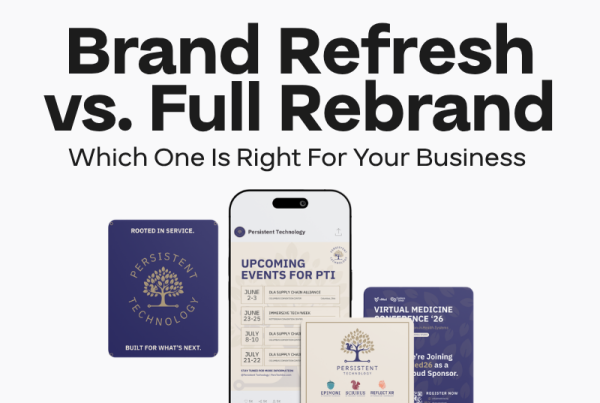
How do we know if we're ready for a rebrand versus a refresh?
A refresh means incremental updates: refining visuals, tightening copy. A rebrand is a deeper shift in positioning, messaging, and identity. Signals for a full rebrand: entering a new market, changing business model, or persistent confusion about what the company does. A good agency helps you read the situation and recommends the right scope rather than defaulting to the most expensive option.
What does a typical branding digital agency engagement cost?
Serious small-to-mid-market projects often range from the low five figures to low six figures. Cost is influenced by scope (strategy depth, number of brand applications, site size, integrations) and timeline. Big Red Jelly provides detailed scopes with transparent pricing so clients can prioritize phases and build smart plans without surprises.
Can a branding digital agency work with our in-house marketing or dev team?
Top agencies routinely partner with internal teams, focusing on strategic direction, core assets, and foundational systems. Collaboration models vary: agency leads everything, splits work with internal designers, or acts as an ongoing strategic advisor. Big Red Jelly integrates comfortably with internal teams and existing vendors, helping unify efforts under a cohesive brand and digital strategy.