Who this guide is for
This guide is for business owners, marketers, and aspiring strategists who want to understand the real role of a brand strategist. If your company has hit a growth plateau, your marketing feels inconsistent, or you’re exploring a career in brand strategy, this article will help you understand why brand strategy is the foundation that drives successful marketing, PR, and design.
Key takeaways
-
Brand strategists create the foundational positioning, messaging, and audience clarity that all marketing and PR efforts depend on.
-
Businesses that skip brand strategy often hit a growth ceiling because their messaging and targeting lack consistency.
-
Brand strategy and marketing strategy serve different purposes—brand defines identity and direction, while marketing focuses on campaigns and revenue.
-
Strong brand strategy improves customer trust, internal alignment, and the performance of every marketing channel.
-
Becoming a brand strategist requires strategic thinking, research skills, consumer psychology insight, and cross-team collaboration.
What’s inside this guide
-
A clear explanation of what a brand strategist is and how the role shapes a company’s positioning, messaging, and long-term direction
-
The key differences between brand strategy and marketing strategy—and why brand strategy must come first
-
A breakdown of the core responsibilities, frameworks, and deliverables brand strategists create
-
How brand strategy connects marketing, PR, design, and business development into one unified message
-
The most important skills and competencies needed to become a successful brand strategist in 2026
-
A step-by-step overview of potential career paths, certifications, and training opportunities
-
Salary expectations and typical job titles within brand strategy roles
-
Signs your business may need a brand strategist or brand strategy consultant
-
Common brand strategy mistakes businesses make—and how to avoid them
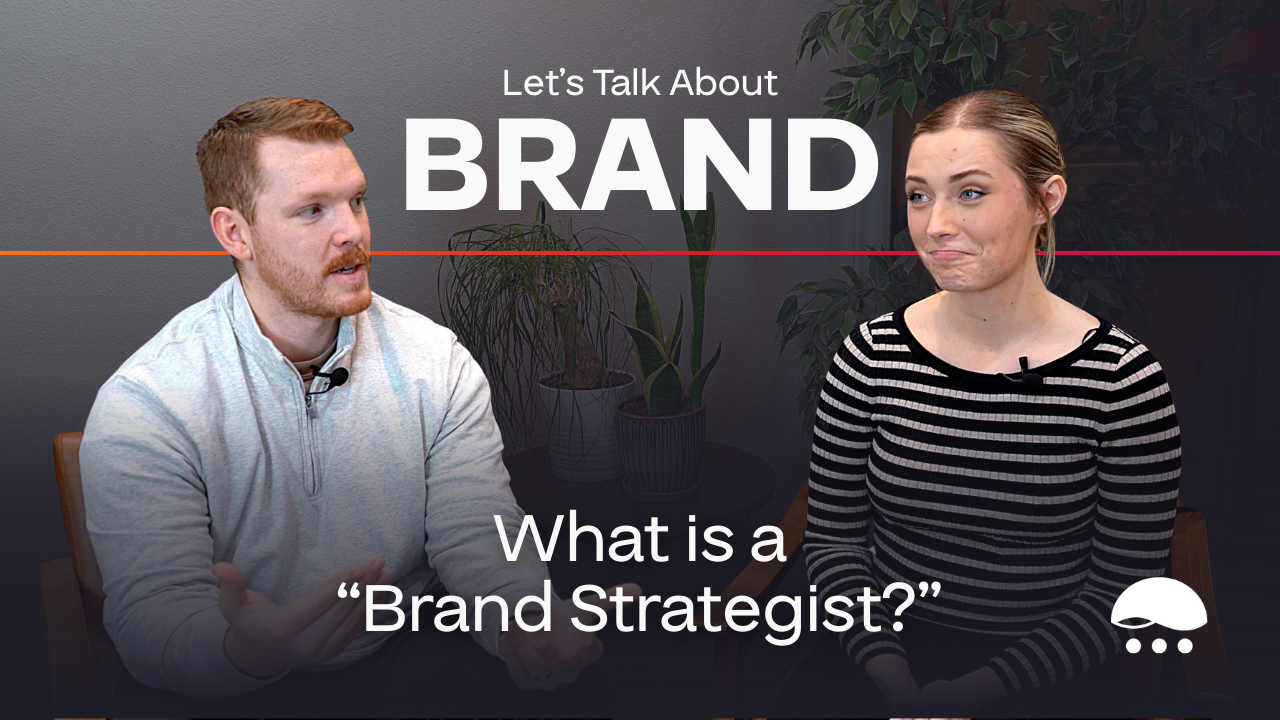
You’ve probably heard that strong brands drive revenue, but here’s what most businesses miss: before you can execute great marketing, PR, or design, you need a brand strategist to lay the foundation. Without strategic brand direction, companies hit a growth ceiling—no matter how much they spend on marketing.
Think about it. You’ve built a great product, told everyone you know about it, and grown through word-of-mouth. Then you hit a wall. You know you need to market systematically, but where do you start? Who exactly are you targeting? What makes you different? This backtracking costs time and money—resources you could have saved with a brand strategist from the start.
Whether you’re considering a career in brand strategy or looking to hire one, understanding this foundational role is critical. In this guide, we’ll explore what brand strategists do, why they’re essential to business success, and how you can become one in 2026.
What Is a Brand Strategist?
A brand strategist is the architect of a company’s identity, positioning, and long-term direction. While marketing teams focus on campaigns and designers create visuals, brand strategists build the foundational framework that guides everything else.
Think of brand strategists as the bridge connecting marketing, PR, design, and business development. They answer fundamental questions: Why does this business exist? Who should care? What makes it uniquely valuable? These aren’t just philosophical exercises—they’re strategic decisions that determine whether your marketing dollars deliver results or disappear into the void.
Unlike other marketing roles that focus on execution and tactics, brand strategists work at a higher level. They’re not designing the flyer; they’re determining what that flyer should communicate and why. They’re not writing the social media posts; they’re defining the voice and messaging framework that makes those posts resonate with the right audience.
The distinction is crucial: brand strategy precedes all other marketing activities. Without it, businesses create content inconsistently, chase the wrong audiences, and wonder why their marketing isn’t working.
The Core Role of a Brand Strategist
Brand strategists build foundational frameworks that guide all communications across an organization. These frameworks include:
- Brand positioning that clearly differentiates you from competitors
- Target audience definition based on research, not assumptions
- Messaging architecture that ensures consistency across all channels
- Brand values and voice that reflect what the business stands for
Every decision a brand strategist makes ties back to clarity and consistency. As one expert puts it: “You can never invest enough in more clarity and in more consistency. Clarity removes anxiety.” This applies both to businesses and customers—when your brand is clear, decisions become easier and trust builds faster.
Brand Strategist vs. Marketing Strategist
Here’s where confusion often happens. Brand strategists and marketing strategists sound similar, but their focus differs significantly:
Brand strategists focus on long-term identity and relationship building. They ask: Who are we? What do we believe? Who should care about us? Their work creates the foundation that doesn’t change with every campaign.
Marketing strategists focus on revenue-driven campaigns and execution. They ask: How do we reach our target audience this quarter? What channels should we use? What offers will convert?
Both roles are essential, but brand strategy must come first. Marketing without brand strategy is like building a house without a foundation—it might look good initially, but it won’t withstand pressure. Companies that skip brand strategy hit growth ceilings because they lack the consistency and clarity needed to scale systematically.
What Does a Brand Strategist Do?
A brand strategist’s work spans research, strategy development, and cross-functional collaboration. The goal is always the same: create clarity that drives consistent, effective execution.
Core responsibilities include:
- Conducting market research and competitive analysis to understand the landscape
- Defining brand positioning, messaging, and voice that differentiates the business
- Developing customer personas and target audience profiles based on data, not guesswork
- Creating brand guidelines and strategic frameworks that teams can actually use
- Aligning cross-functional teams around a unified brand vision
- Guiding businesses through rebranding and brand evolution as they grow
Unlike roles focused on single functions, brand strategists work across the entire organization. They collaborate with creative teams, marketing departments, PR professionals, and executives to ensure everyone communicates the same message.
Day-to-Day Responsibilities
While strategic work forms the core, brand strategists also handle tactical activities:
- Stakeholder interviews and brand audits to understand current perception
- Workshop facilitation and strategic planning sessions where key decisions get made
- Collaboration with creative, marketing, and PR teams to ensure consistent execution
- Brand performance tracking and refinement based on market feedback
A creative brand strategist might spend mornings in strategy sessions defining positioning, afternoons reviewing design concepts to ensure brand alignment, and evenings analyzing customer feedback to refine messaging.
Strategic Deliverables Brand Strategists Create
The outputs of brand strategy work are concrete, actionable frameworks:
- Brand positioning statements and value propositions that capture what makes you unique
- Messaging frameworks and tone of voice guides that ensure consistency
- Brand architecture and portfolio strategies for companies with multiple offerings
- Go-to-market strategies for new products or services
These deliverables aren’t theoretical exercises. They’re practical tools that make decision-making easier and execution more effective.
Why Brand Strategy Is Foundational to Business Success
Most businesses follow a predictable pattern: Start with a good product, grow through word-of-mouth, then hit a growth ceiling when trying to scale systematically. The ceiling exists because they skipped brand strategy.
Here’s what happens: A business owner realizes they need to market more systematically. They build a website, maybe run some ads, try content marketing. But nothing performs as expected. Why? Because they’re marketing without clarity about who they’re targeting, what makes them special, or why customers should care.
This forces them to backtrack—to answer fundamental questions they should have addressed earlier: “Who are my favorite customers? What do they care about? What motivates me to do this?” Answering these questions is brand strategy, and doing it after you’ve already scaled is expensive and disruptive.
The Growth Ceiling Problem
Businesses start with enthusiasm and word-of-mouth momentum. A business owner tells everyone about their product, sells to friends and family, and builds initial traction. This works until it doesn’t.
The moment you need to market systematically—through digital channels, PR outreach, or sales teams—you need brand strategy. Without it, your marketing efforts scatter. You chase different audiences, try conflicting messages, and lack the consistency that builds trust.
Strong brand foundations enable effective marketing, PR, and customer relationships. They prevent the costly backtracking that occurs when companies realize they’ve been building on sand.
Brand Strategy Connects Marketing and PR
Consider the relationship between marketing and PR:
- PR focuses on relationship building and belief formation—convincing audiences to believe in something
- Marketing focuses on revenue generation—converting interest into sales
- Brand strategy provides the foundation for both disciplines
Without brand strategy bridging these functions, messaging becomes inconsistent. PR tells one story while marketing tells another. The brand feels disjointed, and customers lose trust.
Unified messaging across all channels starts with brand strategy. It’s the common language that ensures everyone—from your PR team to your sales force to your customer service reps—communicates the same core message.
How to Become a Brand Strategist
Breaking into brand strategy doesn’t require a single prescribed path. Successful brand strategists come from marketing, PR, design, psychology, and business backgrounds. What matters more than your degree is developing strategic thinking skills and understanding consumer behavior.
Required Skills and Competencies
The best brand strategists combine several core competencies:
Strategic thinking and business acumen – You must see the big picture and understand how brand impacts business outcomes, not just create pretty frameworks.
Consumer psychology and behavioral insights – Understanding why people make decisions, what motivates them, and how they form perceptions is fundamental to positioning brands effectively.
Research and analytical capabilities – Brand strategy requires digging into data, analyzing competitors, and drawing insights from customer feedback.
Communication and storytelling abilities – You need to articulate complex strategic concepts clearly to stakeholders who may not think strategically.
Collaboration and facilitation skills – Brand strategy requires bringing diverse teams together, facilitating productive discussions, and building consensus around direction.
Step-by-Step Career Path
1. Start with foundation roles: Begin in marketing, PR, communications, or design. These roles teach you how different business functions work and what challenges they face.
2. Gain brand-adjacent experience: Move into content strategy, marketing coordination, or communications roles where you start thinking about messaging consistency and audience targeting.
3. Develop strategic thinking: Take on projects that require strategic planning. Volunteer for rebrand initiatives, positioning projects, or audience research. Build case studies showing how you think strategically.
4. Pursue education and training: Consider certifications or specialized training in brand strategy. While not always required, they accelerate your learning and signal commitment to the field.
5. Transition to brand roles: Apply for junior brand strategist, brand strategy consultant, or similar positions. Leverage your portfolio of strategic work to demonstrate capabilities.
Certifications and Training Programs
While a degree isn’t mandatory to become a brand strategist, certifications and training programs can accelerate your career:
Certified brand strategist programs offer structured learning and industry recognition. They’re particularly valuable if you’re transitioning from another field.
Industry-recognized courses and workshops from organizations like the Brand Strategy Institute or through platforms like LinkedIn Learning provide targeted skill development.
Self-directed learning resources including books on brand strategy, consumer psychology, and strategic planning remain invaluable. The best brand strategists are voracious learners.
Professional associations and communities connect you with other strategists, provide mentorship opportunities, and keep you current on industry trends.
Brand Strategist Job Description and Roles
Brand strategist roles vary significantly based on industry, company size, and specialization. Understanding these variations helps you target the right opportunities.
Different Types of Brand Strategist Roles
Creative brand strategist – Focuses heavily on brand identity and creative direction. Works closely with designers to ensure visual identity aligns with strategic positioning. Ideal if you have a strong creative background.
Brand marketing strategist – Bridges brand strategy and marketing execution. Ensures campaigns align with brand positioning while driving revenue. Perfect if you want to stay close to tactical marketing.
Brand strategy consultant – Works as an external advisor for multiple clients. Provides strategic direction without handling day-to-day execution. Best suited for those who enjoy variety and strategic problem-solving.
In-house brand strategist – Dedicated to a single organization, deeply understanding its business and evolving the brand over time. Offers stability and the opportunity to see long-term impact.
Typical job titles include Brand Strategist, Senior Brand Strategist, Brand Strategy Director, or variations incorporating specific focuses like Digital Brand Strategist or Corporate Brand Strategist.
Salary Expectations and Career Growth
As of 2026, brand strategist salaries vary by experience and location:
- Junior Brand Strategist: $45,000-$70,000
- Mid-level Brand Strategist: $70,000-$100,000
- Senior Brand Strategist: $100,000-$140,000
- Brand Strategy Director: $140,000-$200,000+
Consultants often earn more through project-based fees, while in-house roles offer stability and benefits. Career progression typically moves from strategist to senior strategist to director-level roles overseeing brand across multiple product lines or geographies.
Key Performance Indicators for Brand Strategists
Success metrics for brand strategists include:
- Brand awareness and recognition improvements measured through surveys and market research
- Brand perception and sentiment tracked through social listening and customer feedback
- Customer loyalty and retention improvements attributed to clearer brand positioning
- Revenue impact from more effective marketing built on solid brand foundations
The best brand strategists connect their strategic work to business outcomes, not just deliverables.
Working with Brand Strategy Experts and Consultants
Not every business needs a full-time brand strategist. Understanding when to hire a consultant versus building in-house capability is crucial.
When to hire a brand strategy consultant:
- You’re preparing for significant growth or fundraising
- You’re undergoing rebranding or repositioning
- You lack internal strategic expertise
- You need an objective external perspective
When to build in-house capability:
- Your brand requires constant evolution and management
- You have budget for full-time strategic talent
- You want brand strategy deeply integrated with business operations
- Your industry requires specialized, ongoing brand work
Signs Your Business Needs a Brand Strategist
Consider hiring a brand strategist or consultant if you’re experiencing:
- Inconsistent messaging across channels – Different teams telling different stories
- Difficulty differentiating from competitors – You sound like everyone else in your space
- Marketing efforts not converting as expected – Despite good tactics, results disappoint
- Preparing for growth, expansion, or fundraising – Scaling requires strategic clarity
- Undergoing rebranding or repositioning – Major changes demand strategic direction
What to Look For in Brand Strategy Experts
When vetting brand strategists or consultants:
Look for proven strategic thinking, not just creative flair. Ask about their process for developing positioning and how they approach audience research.
Seek business acumen alongside creative skills. The best brand strategists understand how brand impacts revenue, not just perception.
Evaluate their portfolio for results, not just aesthetics. Can they articulate the strategic thinking behind their work and business outcomes achieved?
Red flags include:
- Jumping straight to creative execution without strategic discovery
- Cookie-cutter approaches that don’t account for your unique situation
- Inability to connect brand work to business outcomes
- Poor communication or collaboration skills
Common Mistakes to Avoid in Brand Strategy
Even experienced professionals make avoidable brand strategy mistakes. Learning from these saves time and money.
Skipping brand strategy and jumping to tactics – The most common mistake. Businesses rush to marketing, design, or PR without strategic foundation. This creates the growth ceiling we discussed earlier.
Copying competitor positioning – Differentiation requires finding your unique value, not mimicking successful competitors. If you sound like everyone else, you compete solely on price.
Creating strategy in isolation – Brand strategy requires stakeholder input. Strategies developed without team and customer input often miss critical insights and lack buy-in.
Making decisions based on personal preferences – “I like this color” doesn’t constitute strategy. Effective brand strategists make research-based decisions aligned with target audience preferences.
Treating brand as static – Brands must evolve as businesses grow. Regular refinement based on market feedback keeps brands relevant.
Failing to align internal teams – Strategy documents gathering dust help no one. Successful implementation requires getting entire organizations aligned around brand direction.
Expert Tips from Brand Strategy Professionals
Real-world brand strategists offer this advice:
Prioritize brand strategy before heavy marketing investment. The foundation must exist before you build the house. Marketing without brand strategy wastes money.
Conduct thorough audience research first. Assumptions about your target audience are often wrong. Invest in understanding who actually values what you offer and why.
Build brand strategy collaboratively. Involve stakeholders from across the organization. Their insights strengthen strategy and ensure buy-in for implementation.
Document everything in clear brand guidelines. Strategy only helps if teams can access and use it. Create practical, usable guides.
Regularly revisit and refine brand strategy. Markets change, customers evolve, and businesses grow. Treat brand as a living entity requiring ongoing attention.
Measure brand performance beyond revenue. Track awareness, perception, and loyalty alongside sales. These leading indicators predict long-term success.
Conclusion
Brand strategists are the foundation that enables all other marketing, PR, and communications efforts to succeed. They build the clarity and consistency that transforms scattered tactics into coherent, effective business growth strategies.
Whether you’re pursuing a career as a brand strategist or looking to hire one, remember this: brand strategy must come first. It’s not optional or something to address “eventually.” It’s the foundation preventing the growth ceiling that trips up most businesses.
The most successful businesses prioritize brand strategy early, allowing them to scale systematically rather than hitting walls and backtracking. They invest in clarity and consistency because, as one expert puts it, “clarity removes anxiety”—for businesses and customers alike.
If you’re ready to build a career in brand strategy, start by developing strategic thinking skills, studying consumer psychology, and building a portfolio demonstrating how you think strategically. If you’re a business owner, assess your current brand strategy honestly: Can everyone in your organization articulate who you serve, what makes you unique, and why customers should care? If not, it’s time to invest in brand strategy.
Ready to take action? If you’re an aspiring brand strategist, identify one business or personal project where you can practice strategic thinking. If you’re a business owner, schedule time to answer fundamental brand questions or explore working with a brand strategy consultant. Either way, remember: clarity and consistency aren’t luxuries—they’re necessities for sustainable growth.
Frequently Asked Questions About Brand Strategists
What is the difference between a brand strategist and a brand manager?
Brand strategists develop the foundational strategy—the positioning, messaging, and identity frameworks. Brand managers execute and maintain that strategy, ensuring consistent implementation across all touchpoints. Strategists build the blueprint; managers ensure everyone follows it.
How much does a brand strategist make?
Salaries vary by experience and location. Entry-level brand strategists earn $45,000-$70,000, mid-level professionals earn $70,000-$100,000, and senior strategists can earn $100,000-$140,000 or more. Consultants often earn higher rates through project-based fees.
Do I need a degree to become a brand strategist?
No specific degree is required. Successful brand strategists come from marketing, PR, psychology, design, and business backgrounds. What matters most is developing strategic thinking skills, understanding consumer behavior, and demonstrating results through portfolio work.
What is the difference between brand strategy and marketing strategy?
Brand strategy focuses on long-term identity, positioning, and relationship building—who you are and why audiences should care. Marketing strategy focuses on short-term, revenue-driven campaigns—how you reach audiences and convert them to customers. Brand strategy must come first to provide the foundation marketing needs.
How long does it take to develop a brand strategy?
Timeframes vary based on business complexity, but expect 6-12 weeks for thorough brand strategy development. This includes research, stakeholder interviews, competitive analysis, strategy development, and documentation. Rushing the process typically results in superficial strategy that doesn’t drive results.
Can small businesses benefit from hiring a brand strategist?
Absolutely. Small businesses often need brand strategy more than large ones because they lack the resources to waste on ineffective marketing. A clear brand strategy helps small businesses compete against larger competitors by clarifying their unique value and target audience.